


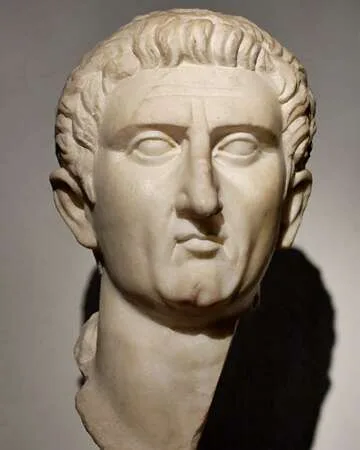
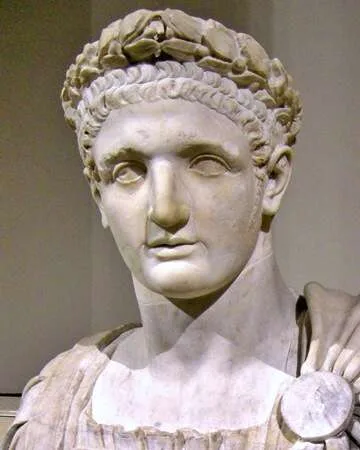
The End of Domitian’s Reign
In 96 AD, a significant turning point occurred in the Roman Empire with the **assassination of Emperor Domitian**. Domitian, who ruled from 81 AD, became increasingly autocratic over the years, which led to a climate of fear and mistrust within the Roman elite. His attempts to strengthen imperial authority, including stringent policies against perceived traitors, fostered deep resentment among the senatorial class.
Domitian’s Autocratic Rule
Domitian was known for his **tyrannical leadership style**, enforcing strict loyalty from his subjects and punishing dissent ruthlessly. His reign was marked by extensive building projects and military campaigns, but it was his oppressive measures that eventually alienated many powerful figures in Rome. This ultimately set the stage for his assassination.
The Plot Against Domitian
The conspiracy against Domitian was primarily orchestrated by his court officials, disenchanted senators, and members of his own family, including his wife, Domitia Longina. They arranged a plot to **assassinate Domitian** during a private meeting. On September 18, 96 AD, the plan was executed, leading to Domitian’s violent demise.
Nerva Takes the Throne
Following Domitian’s death, the Senate took immediate action to restore stability within the empire. **Nerva**, an experienced politician and former consul, was proclaimed emperor. His ascension marked a significant shift in leadership style towards a more moderate and benevolent approach.
Nerva’s Reforms
As the new emperor, Nerva sought to unify the empire and heal the wounds left by Domitian’s draconian regime. He implemented several reforms, including land redistribution and enhancing the role of the Senate. His moderate policies helped to **restore trust in the imperial office** and laid the groundwork for a more cooperative relationship between the emperor and the Senate.
The Nerva-Antonine Dynasty Begins
Nerva’s reign signified the beginning of the Nerva-Antonine Dynasty, a golden age characterized by a series of capable and benevolent rulers. Nerva adopted Trajan as his successor, ensuring a smooth transition of power and influencing the empire’s future direction positively. This era was marked by extensive prosperity and stability.
Fun Fact
The Fallibility of Power
Interestingly, despite his lengthy reign and absolute power, Domitian’s end reveals the **vulnerability of even the most formidable leaders**. Assassination as a method of political change was commonplace in ancient Rome, often sealed with betrayal from those closest to the throne.
Additional Resources
Recommended Reading on Nerva and Domitian
To delve deeper into this fascinating period of Roman history, consider reading "The Twelve Caesars" by Suetonius or "The History of Rome" by Titus Livius, which provide rich insights into the lives of emperors including Domitian and Nerva.








 Continue with Google