


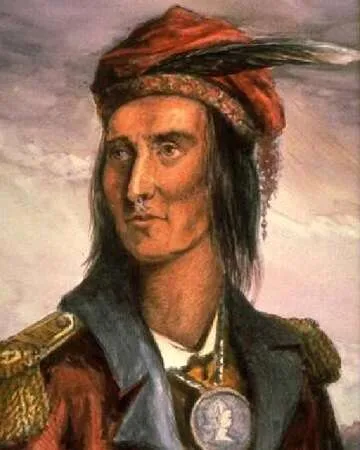
Understanding the Battle of Brownstown
The Battle of Brownstown took place on August 5, 1812, during the War of 1812, marking one of the early confrontations between United States forces and Native American warriors allied with the British. This battle is noted for the tactical prowess of the Native American forces, led by the notable Tecumseh, who orchestrated an effective ambush against a contingent of U.S. militiamen.
Tecumseh's Leadership and Strategy
Tecumseh, a celebrated Shawnee chief, was instrumental in forming a Native American confederation aimed at resisting the encroachment of American settlers. His tactical genius and understanding of warfare allowed him to lead a small force of just 25 warriors to successfully ambush a larger group of nearly 200 U.S. militiamen under the command of Thomas Van Horne. The ambush occurred at Brownstown Creek in present-day Michigan Territory, where Tecumseh's forces were able to catch the unsuspecting Americans off-guard.
The U.S. Forces and Retreat
The American forces, despite their numerical advantage, were unprepared for such an encounter. The sudden ambush led to chaos as soldiers retreated in panic, resulting in a disorganized withdrawal. The battle resulted in the deaths of 18 American militiamen, with an additional 12 wounded and about 70 abandoning their posts. This retreat highlighted the challenges faced by the U.S. forces during the early stages of the War of 1812.
The Aftermath of the Battle of Brownstown
The outcome of the Battle of Brownstown was significant as it intensified the hostility between the Native American tribes and American settlers, galvanizing support for Tecumseh's cause. Moreover, it demonstrated the vulnerabilities of American forces when faced with skilled Indigenous fighters. The aftermath of the battle also encouraged Tecumseh to continue unifying various tribes in defense against American expansion.
Tecumseh's Role in the War of 1812
Following the battle, Tecumseh continued to play a vital role in the War of 1812, rallying Native American resistance against further American invasion. His leadership and vision for a united Native American front against European settlers became a lasting part of his legacy.
The Legacy of the Battle
The Battle of Brownstown is often remembered as a pivotal moment that showcased both the tactical brilliance of Indigenous leaders like Tecumseh and the difficulties faced by American forces. It served as both a warning and a lesson in military preparedness, affecting subsequent American strategies in the conflict.
Fun Fact
Tecumseh’s Ambitious Vision
Did you know that Tecumseh dreamed of creating a Native American confederation that would include tribes from across the Midwest? His vision aimed to preserve Native American lands and cultures in the face of rapid American expansion.
Additional Resources
Recommended Reading on Tecumseh and the War of 1812
For those interested in diving deeper into this subject, consider reading “Tecumseh and the Quest for Indian Leadership” by John Sugden or “The War of 1812: A Forgotten Conflict” by Donald R. Hickey. These works provide valuable insights into Tecumseh's life and the broader scope of the War of 1812.



 Continue with Google