


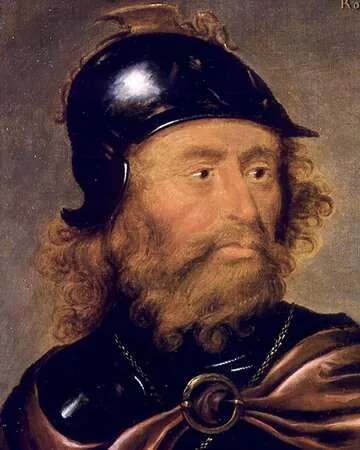
The Battle of Methven: A Critical Conflict
The Battle of Methven, fought in 1306, was a crucial engagement during the Wars of Scottish Independence. This battle marked a significant setback for Robert the Bruce, who was striving to claim the Scottish crown against English domination. The conflict took place in the rugged terrain of Scotland, where Bruce’s forces faced the well-organized army of the Earl of Pembroke, a loyal supporter of King Edward I of England.
The battle was characterized by Bruce's bold ambition to solidify his reign shortly after being crowned King. However, his forces were poorly equipped and outnumbered, which led to a disastrous defeat. This event would shape not only Bruce's military strategies in the years to come but also the broader context of Scottish resistance against English rule.
Robert the Bruce: The Determined Leader
Robert the Bruce, born in 1274 in Wothringham, emerged as a key figure in Scottish history. He was determined to free Scotland from English control and claimed the throne in 1306, shortly before the Battle of Methven. Bruce’s vision for a united Scotland faced immense challenges, and the defeat at Methven illustrated the formidable strength of the English forces, led by Aymer de Valence, the Earl of Pembroke.
The Earl of Pembroke: A Loyal English General
Aymer de Valence, the Earl of Pembroke, was a prominent military leader serving under King Edward I. His forces at Methven were well-trained and strategically positioned, taking advantage of the Scottish troops' lack of experience and supplies. Pembroke’s victory not only thwarted Bruce's immediate plans but also reinforced English control in the region during a critical period.
Aftermath of the Battle
The defeat at the Battle of Methven had significant implications for Robert the Bruce and the journey of Scottish nationalism. Following this setback, Bruce was forced to engage in guerrilla tactics to regroup his forces. Despite the hardships faced after Methven, Bruce would go on to inspire further resistance, leading to eventual successes in later battles such as the pivotal Battle of Bannockburn in 1314.
Struggles and Resilience Post-Battle
In the aftermath, Bruce spent several years in hiding, evading capture and continuing his struggle for Scottish independence. This time was marked by a series of tactical withdrawals and the build-up of a stronger, more united Scottish force that would rise again against English oppression.
The Legacy of the Battle of Methven
The Battle of Methven serves as a stark reminder of the turbulent times during the Scottish Wars of Independence. It emphasizes the resilience of Robert the Bruce and his ultimate quest for sovereignty, demonstrating that early defeats can fuel future victories.
Fun Fact
The Role of Terrain in the Battle of Methven
The challenging Scottish terrain played a crucial role in the battle, with dense forests and hills impacting troop movements and visibility. This geographic advantage often turned the tide of battles during the wars of independence.
Additional Resources
Recommended Reading on Robert the Bruce and the Wars of Independence
For those interested in exploring more about this fascinating period of Scottish history, consider reading "Robert the Bruce: King of Scots" by James Lawrie, and "The Wars of Scottish Independence" by Edward Cowan. These sources delve deeper into the life of Bruce and the significant events that shaped Scotland’s fight for freedom.








 Continue with Google