


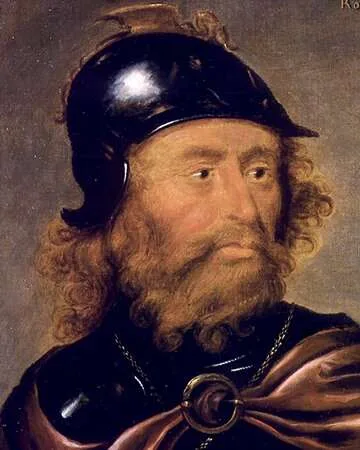
The Rise of Robert the Bruce
Robert the Bruce, born in Turnberry Castle, Ayrshire in 1274, is celebrated as a pivotal figure in Scottish history. His reign as King of Scots from 1306 to 1329 marked a significant period during the Wars of Scottish Independence against the English crown. Bruce's journey from nobleman to national hero encapsulates the resilient spirit of Scotland during a time of turmoil.
Robert the Bruce’s Early Life
Robert was born into a noble family, with a lineage that traced back to the kings of Scotland. As a young man, he was educated at the court of King Edward I of England. However, the shifting political landscape soon turned him into a central figure in the struggle for Scottish independence. His early experiences shaped his views on leadership and his commitment to Scotland’s sovereignty.
The Struggle for Scottish Independence
In 1306, following the death of the previous Scottish king, Bruce seized the crown amid a climate of conflict and betrayal. His coronation led to fierce battles against the English, led by King Edward I, who aimed to suppress the Scots. Bruce’s determination in the face of overwhelming odds demonstrated his resolve to defend Scotland's liberty.
Key Victories and Achievements of Robert the Bruce
One of Bruce's most notable achievements came at the Battle of Bannockburn in 1314, where his forces triumphed over the larger English army, significantly boosting the morale of the Scots and solidifying Bruce's position as a formidable leader.
The Battle of Bannockburn
The Battle of Bannockburn was a turning point in the Wars of Independence, showcasing Bruce’s military ingenuity. His strategy involved using the terrain to his advantage, leading to a decisive victory that not only reclaimed Scottish independence but also established him as a national hero.
Bruce’s Legacy Beyond the Battlefield
Robert the Bruce is not just remembered for his military exploits; his reign also laid the foundations for establishing a more unified Scottish nation. His careful diplomacy and commitment to justice within his realm helped to foster a burgeoning sense of Scots nationalism, making his legacy endure long beyond his death in 1329.
Fun Fact
Robert the Bruce and the Spider
An enduring tale associated with Robert the Bruce is that of the spider. It is said that during a period of despair after several defeats, he observed a spider persevering in trying to spin its web. Inspired by its determination, Bruce vowed to continue fighting for Scotland’s freedom, demonstrating his tenacity and resilience.
Additional Resources
Recommended Reading on Robert the Bruce
For those interested in delving deeper into the life and legacy of Robert the Bruce, the following books are recommended: "The Bruce: The Story of Robert the Bruce" by James F. R. Smith and "Robert the Bruce: King of Scots" by Richard Brooks. These works provide a detailed exploration of his life and the historical context of his reign.






 Continue with Google