


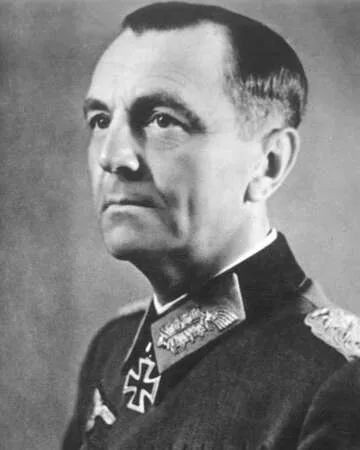
The Significance of the Battle of Stalingrad
The Battle of Stalingrad, fought from August 1942 to February 1943, stands as one of the most pivotal moments of World War II. It marked a significant turning point in the conflict between the Axis powers and the Allies. General Friedrich Paulus, commander of the German 6th Army, was ordered to capture the city of Stalingrad, a critical industrial hub on the Volga River. Capturing Stalingrad would not only secure German supply lines but also deal a severe blow to Soviet morale.
General Friedrich Paulus and His Strategies
General Friedrich Paulus, born in 1890, was a competent leader who played a crucial role in Hitler's Eastern Front strategies. His objective during the Battle of Stalingrad was to encircle and destroy the Soviet forces. Despite initial successes, his plans began to falter as fierce Soviet resistance and harsh winter conditions set in. Paulus's strong belief in Hitler's tactics led him to overlook critical red flags, ultimately sealing his army's fate.
The Harsh Conditions of Stalingrad
The battle unfolded during the brutal winter months, exacerbating the already dire conditions faced by the German troops. They were ill-prepared for the severe cold, leading to significant casualties due to frostbite and starvation. The resilient Soviet forces, under the command of General Vasily Chuikov, held their ground despite overwhelming odds, demonstrating extraordinary determination.
The Soviet Counteroffensive and the Turning Tide
As the battle progressed, the Soviet Red Army launched Operation Uranus in November 1942, a counteroffensive that encircled the German position. The encirclement trapped the German troops in Stalingrad, cutting them off from reinforcements and supplies. This maneuver marked a critical turning point in the battle, as it shifted the tide in favor of the Soviets.
Paulus's Surrender
By January 1943, faced with dwindling supplies and mounting casualties, General Paulus surrendered on February 2, 1943. This surrender was unprecedented for Nazi Germany, showcasing a devastating defeat. The loss of Stalingrad not only decimated the 6th Army but also shattered the myth of Nazi invincibility.
The Aftermath of Stalingrad
The aftermath of the Battle of Stalingrad was catastrophic for Germany, with over 1.1 million Axis casualties. The victory imbued the Soviet Union with renewed strength and encouraged Allied Forces across Europe. It marked the beginning of a series of Soviet offensives that would eventually lead to the liberation of Eastern Europe and contribute to the downfall of Nazi Germany.
Fun Fact
A Remarkable Historical Highlight
The battle was so fierce that it became renowned for its brutal urban warfare; many fights occurred in the ruins of the city, illustrating the intensity and desperation of the conflict.
Additional Resources
Recommended Reading on the Battle of Stalingrad
For those interested in learning more, consider reading "Stalingrad: The Fateful Siege: 1942-1943" by Antony Beevor or "Enemy at the Gates: The Battle for Stalingrad" by William Craig. These works provide in-depth analyses and captivating narratives of this historic battle.











 Continue with Google