


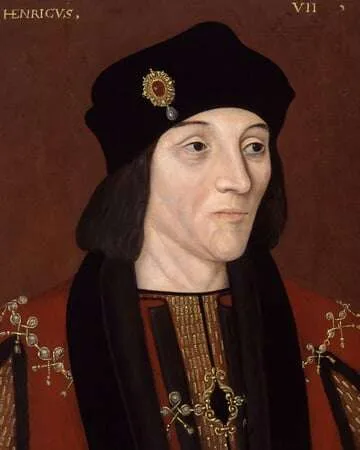
Understanding the Battle of Stoke Field
The Battle of Stoke Field, fought on June 16, 1487, marked a significant turning point in English history as it symbolized the end of the Wars of the Roses. This battle took place in Nottinghamshire and was the final military engagement between the rival factions of the Yorkists and the Lancastrians. Under the leadership of King Henry VII, the Lancastrians sought to solidify their power after the tumultuous years of civil war that had plagued England.
At the forefront of the conflict was John de la Pole, the Earl of Lincoln, who was a prominent Yorkist claimant to the throne. Alongside him stood Lord Lovell, a fierce supporter of the Yorkist cause. The clash was not merely a struggle for land but a fight for the very heart of British monarchy. The aftermath of the battle sealed the fate of the Yorkists, effectively extinguishing their claims to the throne.
King Henry VII and His Vision
King Henry VII became the first monarch of the Tudor dynasty after defeating Richard III at the Battle of Bosworth Field in 1485. He aimed to restore peace and stability to England following decades of conflict. Henry's army was comprised of loyal supporters and well-trained forces, ready to confront the Yorkist rebellion at Stoke Field. His strategic prowess would soon be tested against the remnants of the rival faction.
The Yorkist Challenge
Led by John de la Pole, the Yorkists saw the Battle of Stoke Field not just as a military engagement but as a chance to reclaim their former glory and challenge the legitimacy of Henry's rule. Gathering support from various disillusioned noblemen, they aimed to capitalize on a social environment still buzzing from the fallout of years filled with uncertainty.
The Resolution of Conflict
The outcome of the Battle of Stoke Field confirmed Henry VII's hold on the throne of England. Despite being outnumbered strategically, his forces employed disciplined tactics that ultimately led to a resounding victory. The battle displayed the effectiveness of the Tudor military reforms and highlighted the diminishing strength of the Yorkist lineage.
Aftermath of the Battle of Stoke Field
The defeat of the Yorkists at Stoke Field resulted in dire consequences for their leaders. John de la Pole was killed in battle, while Lord Lovell vanished, presumed to have perished or fled from England. This battle not only symbolized the final defeat of the Yorkists but also strengthened Henry’s position, paving the way for the Tudor dynasty to flourish and mark a new chapter in English history.
The Significance of the Battle
Stoke Field stands as a testament to the turbulent period of the Wars of the Roses. It signaled the end of Yorkist aspirations and highlighted Henry VII's effectiveness as a ruler. The victory consolidated the Tudor dynasty’s power and set a foundation for the stability and relative peace that would characterize the late 15th and early 16th centuries in England.
Fun Fact
A Curious Aspect of the Battle
One interesting fact about the Battle of Stoke Field is that it was fought nearly two years after the death of Edward IV, whose children were traditionally viewed as the rightful heirs to the Yorkist claim. This battle was not just the clash of opposing armies, but a reflection of ongoing struggles over lineage and loyalty in England.
Additional Resources
Recommended Reading on the Wars of the Roses
For those looking to dive deeper into the history surrounding the Wars of the Roses, consider reading "The Wars of the Roses: The Fall of the Plantagenets and the Rise of the Tudors" by Dan Jones or "Lancaster and York: The Wars of the Roses" by Alison Weir. These texts provide comprehensive insights into the intricate dynamics and battles that shaped this critical era in British history.








 Continue with Google