


Clash of Two Great Civilizations
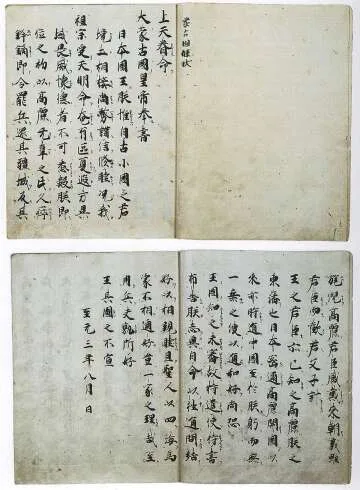
In the year 1279, a significant historical event unfolded that would alter the trajectory of relations between Japan and the Mongol Empire. This event, known as the beheading of Kublai Khan's emissaries, was a dramatic incident arising from the Mongolian attempts to subjugate Japan. Kublai Khan, the grandson of Genghis Khan and the Emperor of the Yuan dynasty, sought to expand his empire and viewed Japan as a prime target for his ambitions. His emissaries were sent to Japan to demand submission, but the response they received was far from what they expected.
The Mongol Empire's Ambitions
The Mongol Empire, at its height, was one of the largest empires in history, stretching from Eastern Europe to Asia. Under Kublai Khan, the Mongols aimed to consolidate power in East Asia. Reports of Japan's wealth and potential conquest fueled Kublai Khan's desire to bring the islands under his rule. However, the first contact with Japan was marked by conflict, leading to the dispatching of these five emissaries.
Kublai Khan's Emissaries in Japan
The five emissaries arrived in Japan with a message of submission from Kublai Khan. They carried the expectation of diplomatic acceptance, believing they could persuade the Japanese leaders to recognize Mongol sovereignty. However, the response was hostile; the Japanese, who valued their independence and traditional way of life, were not willing to submit to any foreign power.
Japan's Defiance and Its Consequences
The response to the emissaries was swift and brutal. The Japanese, led by their fierce warrior class, decided to behead the five emissaries as a statement of defiance against Mongol threats. This act, although not without its implications, was a strong indication of Japan's commitment to maintaining its autonomy, even in the face of overwhelming power.
The Beheading Incident
The beheading itself served as a pivotal moment in Japan's history. Not only did it signify a refusal to bow to Mongolian pressure, but it also ignited a fierce conflict that would culminate in two major invasion attempts by the Mongols in the coming years. The act of executing the emissaries effectively closed diplomatic channels and set the stage for further military confrontations.
Impact on Japanese Society
This incident resonated throughout Japanese society, reinforcing the samurai ethos of honor and bravery. The decision to murder the emissaries was not just a political statement but also aligned with the cultural narratives of loyalty and resistance. Over time, it would bolster the resolve of the Japanese in fighting against the Mongolian invasions that followed.
Fun Fact
Japan's Isolationism Post-Beheading
The beheading of Kublai Khan's emissaries had long-lasting effects on Japan's diplomatic posture, leading to a period of intentional isolation from foreign influences that lasted for centuries. This event is often cited as a pivotal moment in Japanese history that solidified its national identity.
Additional Resources
Recommended Reading on Japan's History
To delve deeper into these events and their context, consider reading "The Mongol Invasions of Japan" by Stephen Turnbull and "Japan: A History" by John Whittier Treat for comprehensive insights into how these historical events shaped modern Japan.













 Continue with Google