


Remembering 1918: The Animation Milestone – The Sinking of the Lusitania
The year 1918 marked a significant turning point in the world of animation, primarily due to the release of the short film The Sinking of the Lusitania by Winsor McCay. This remarkable piece, running over 12 minutes, was groundbreaking for its time and is heralded as one of the earliest examples of a fully animated film produced with a dense narrative, marrying artistry with the power of moving images.
Winsor McCay's Visionary Influence
Winsor McCay was not just an artist; he was a pioneer in animation. Born in 1867 in Springfield, Illinois, McCay began his career as a cartoonist, captivating audiences with his talent. His ability to tell profound stories through his art soon led him to delve into the world of animation, where he sought to push the boundaries of this nascent art form.
Launching his Legacy: Winsor McCay
With a career that encompassed various mediums, McCay’s first major foray into animation came with his character, Little Nemo, which he started showcasing in the early 1900s. However, it was The Sinking of the Lusitania that would solidify his legacy as an innovator in animated storytelling.
A Skillful Artist and Storyteller
As an accomplished cartoonist and animator, McCay's style was distinctive. His artistry was not just about creating moving images; it was the storytelling that engaged viewers. This ability to combine narrative depth with stunning visuals would set a precedent in animation history.
Significance of The Sinking of the Lusitania
Released in a time of global upheaval, The Sinking of the Lusitania provided not just entertainment but also commentary on a tragedy that had changed the course of history. The film, which depicted the sinking of the RMS Lusitania by a German U-boat, showcased not only the power of animation but also its potential as a medium for social and political commentary.
Chronicles of a Maritime Disaster
The film is an animated retelling of the tragic events surrounding the Lusitania’s sinking in 1915, leading to the loss of 1,198 lives. McCay, through his artistry, sought to educate and evoke emotion among his viewers about the horrors of war and maritime loss. It also served as an early example of using animation to convey serious themes.
An Innovative Leap in Animation
McCay painstakingly created this short film using hand-drawn techniques that involved thousands of individual frames, a labor-intensive process that set a foundation for future animators. His innovative approach and narrative techniques would influence generations of animators and filmmakers who followed.
A Fun Fact from the Film’s History
Animation with a Message
Interestingly, Winsor McCay not only created the animation but also employed it as a means of political persuasion. After the film’s release, he used its popularity to promote the war effort during World War I, highlighting the impact of the Lusitania disaster on public sentiment.
Further Exploration of Winsor McCay and Animation History
Recommended Reading on Winsor McCay
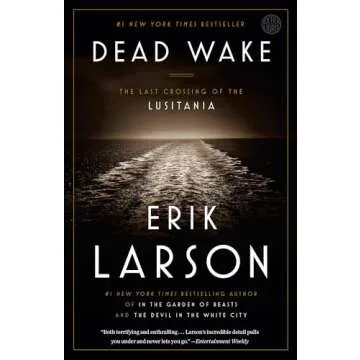
If you want to delve deeper into the life and work of Winsor McCay, consider reading Winsor McCay: His Life and Art by John Canemaker or explore The Art of the Animated Image for more in-depth insights into early animation techniques.

![Avalanche [Blu-ray] - Epic Disaster Film with Stunning Visuals](https://assets.giftpals.com/assets/uc/Gift/F2S1K3MkwSlM/1/thumbnail_default_1.webp?nBoPsXTQdTX0)





 Continue with Google