


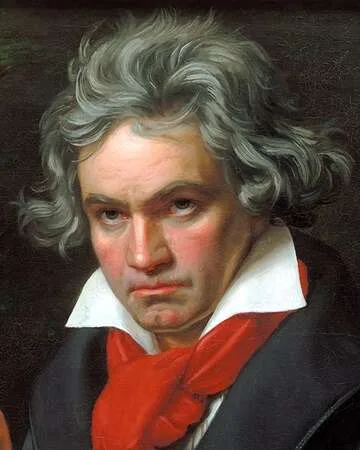
A Milestone in Recorded Music: The First LP Record
The history of recorded music saw a monumental transformation on June 21, 1934, when **RCA Victor** released the very first **LP (long-playing)** record, featuring none other than Beethoven's timeless **Fifth Symphony**. This historical event marked a significant shift in the music industry, paving the way for an entirely new era of listening experiences. The orchestration was masterfully performed by the **Philadelphia Orchestra** under the direction of the renowned conductor **Leopold Stokowski**, a conductor known for his dynamic interpretations and visionary collaborations.
Beethoven's Fifth Symphony: A Revolutionary Composition
Beethoven composed his Fifth Symphony between 1804 and 1808, and it is one of the most recognized pieces in classical music. The **Fifth Symphony** is famously known for its iconic four-note opening motif, which conveys a sense of struggle and triumph. RCA Victor’s decision to record this piece captured both the majesty of Beethoven’s work and the capabilities of the new LP technology that allowed for longer and higher quality recordings than the previously used shellac records.
The Philadelphia Orchestra and Stokowski's Vision
The **Philadelphia Orchestra**, led by Leopold Stokowski, was an ideal choice for this inaugural recording. Stokowski, famed for elevating the orchestra's sound and innovative approach to performance, brought an electrifying energy to the piece. The combination of Stokowski's artistry and RCA Victor's advanced recording technology resulted in an unforgettable listening experience that would redefine how audiences engaged with music.
A New Era in Music Listening
Until the introduction of the LP record, most music was recorded on 78 rpm discs, which had to be flipped frequently, limiting the length of recordings. The 33 1/3 rpm LP format allowed for much longer play times, which was particularly advantageous for symphonic works. This change not only altered the listening habits of music fans but also inspired musicians and composers to create longer compositions, resulting in a flourishing music scene.
The Impact of the LP Format on the Music Industry
The release of the LP format became a game changer for the music industry. Not only did it enable the mass production of albums, but it also gave rise to the concept of **concept albums**, where musicians could explore themes throughout an album rather than merely producing a collection of singles. This innovation fundamentally changed the landscape of recorded music, influencing countless artists and genres in the decades to follow.
The Lasting Legacy of the First LP Record
The first LP record remains a touchstone in the history of music technology. It represents both a technological advancement and an artistic partnership that fostered deeper musical appreciation. The successful debut of Beethoven's Fifth Symphony on the LP format heralded an era where the music experience expanded to what we know today.
Fun Fact
Did You Know? Beethoven's Fifth Symphony on LP’s Historical Significance
The recording of Beethoven's Fifth Symphony was not only the first LP but also played a vital role in introducing classical music to a broader audience. As people began to embrace the LP format, they enjoyed the convenience of having complete symphonic works at home.
Additional Resources
Recommended Reading on the LP Record Era
For anyone interested in delving deeper into the history of music technology and **RCA Victor**, I recommend reading **"The LP: The Life and Times of the Long Playing Record"** by **David A. Heller**. Another excellent resource is **"Double Trouble: The Louvin Brothers' Story"** by **Kieran Kane** which discusses the influence of the LP on country music.


![BTHVN 2020 - Beethoven The New Complete Edition [123 CD]](https://assets.giftpals.com/assets/uc/Gift/Ve0erhJEoD8I/1/thumbnail_default_1.webp?MAk5GYdHOSQg)




 Continue with Google