


The Unification of Currency in the United States
In the year 1786, a monumental decision was made that would shape the economic landscape of the United States for centuries to come. The U.S. Congress took a significant step by unanimously choosing the dollar as the official monetary unit for the fledgling nation. At the time, America was still in its infancy, having gained independence from British rule just a few years prior. The establishment of a standardized currency was a crucial move towards economic stability and unity.
The Historical Context of the Dollar
The choice to adopt the dollar was not made in a vacuum; it was influenced by the various currencies that were in circulation during the colonial period. Each colony had its own system of currency, and the chaos of differing values made trade exceedingly difficult. By selecting a singular monetary unit—the dollar—Congress aimed to simplify commerce and promote national cohesion.
Significance of the Dollar as a Monetary Unit
The dollar was derived from the Spanish dollar, which was widely used in trade with European and Latin American countries. This decision was savvy, as it made American currency relatable and acceptable for international transactions. The dollar would become not just a means of exchange but a symbol of American identity and independence.
The Impact of the Decision on Future Currency
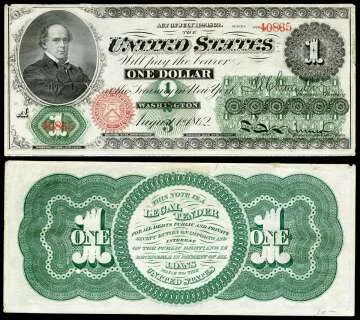
The decision to formalize the dollar established a foundation for future financial systems in the United States. It paved the way for the eventual creation of the first official U.S. paper currency, introduced in 1861. This transition demonstrated America’s evolution into an economic power as it sought to unify the fragmented currencies that had previously complicated trade.
Dollar Denominations and Their Significance
The concept of the dollar went beyond just a single coin. Over time, it evolved into various denominations, each representing different values, thereby catering to the diverse needs of a growing economy. The introduction of the one dollar bill became a critical aspect of everyday transactions for American citizens.
Economic Growth Through Standardized Currency
Having a standardized currency facilitated economic growth across the nation. Businesses could reliably transact with one another, and consumers were able to clearly understand pricing without confusion. This enhanced commerce played a pivotal role in America's rescue from the economic turmoil following independence.
Fun Fact
The One Dollar Bill: An Iconic Symbol
Did you know that the one dollar bill features the portrait of President George Washington? It was first issued in 1862 and has become a lasting symbol of American currency and values.
Additional Resources
Recommended Reading on American Currency
To explore more about the history of American currency, consider reading "The History of Money" by Jack Weatherford and "A History of the Dollar" by Richard H. Timberlake. These texts provide an in-depth look at the evolution and significance of the dollar in shaping the U.S. economy.









 Continue with Google