


The Principalía of 1594: A New Ruling Class
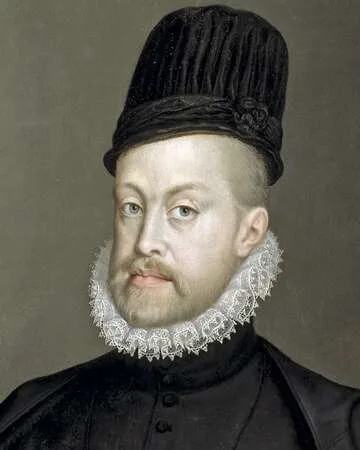
In 1594, a significant event unfolded in the Philippines when King Philip II of Spain officially recognized the rights and privileges of the local nobles and chieftains, leading to the establishment of a new ruling class. This class, known as the Principalía, would play a crucial role in the governance and social structure of the archipelago during the Spanish colonial period.
The Principalía was made up of local elite families who had significant influence over their communities. The recognition from Philip II not only granted them certain privileges but also acknowledged their importance in maintaining order and loyalty to the Spanish Crown. This fusion of Spanish authority and local leadership paved the way for a unique socio-political landscape in the Philippines.
Understanding the Principalía's Role
The Principalía served as intermediaries between the Spanish colonial government and the indigenous population. Acting as local leaders, they were tasked with implementing colonial policies while preserving their own cultural practices. This duality allowed them to maintain a degree of power and autonomy, as well as affording them economic advantages.
The Nobility and Their Privileges
The privileges granted to the Principalía included land ownership, tax exemptions, and a position within local governance. Their elevated status not only distinguished them from common folk but also established a hereditary aristocracy that would influence Philippine society for generations. This created a dynamic where the Principalía often sided with colonial authorities to safeguard their interests, leading to complex relationships between the indigenous peoples and the Spanish rulers.
The Impact of the Principalía
The establishment of the Principalía had lasting implications for Philippine society. It fostered a sense of loyalty not only towards local leaders but also towards the Crown, helping to stabilize Spanish rule in a culturally diverse and geographically fragmented archipelago.
Legacy of the Principalía
Even after the decline of Spanish colonial power, the structures created by the Principalía persisted. Many of their descendants continued to hold significant social and political influence in the Philippines, demonstrating the lasting legacy of this ruling class.
Modern Reflection on the Principalía
Today, the concept of the Principalía serves as an essential point of reference for understanding the lineage of Filipino leadership and elite socio-political structures. Recognizing this historical context offers insight into the complexity of Filipino identity and the historical hierarchies that have shaped contemporary society.
Fun Fact
Interesting Tidbit about the Principalía
Did you know that many of the prominent Filipino families today can trace their origins back to the Principalía? This ancestry continues to impact societal dynamics and local governance in the Philippines.
Additional Resources
Recommended Reading on the Principalía
For those interested in further exploring this topic, consider reading "The Philippine Revolution of 1896" by Emilio Jacinto, or delve into "A History of the Philippines" by David P. Barrows. These books provide substantial insights into the historical context and ramifications of the Principalía and its influence on Filipino culture.







 Continue with Google