


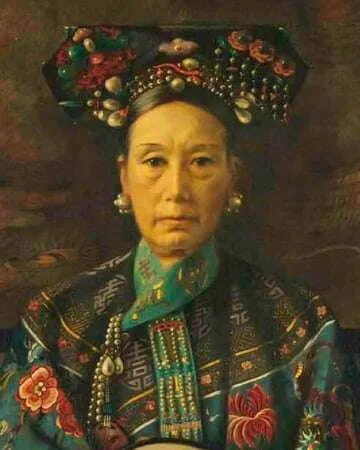
The Boxer Rebellion: An Overview
The Boxer Rebellion, occurring in 1900, was a significant uprising against foreign influence in China, specifically targeting foreign nationals and Chinese Christians. Triggered by a surge of nationalistic fervor, the rebellion arose amidst widespread discontent with the Qing dynasty's inability to fend off foreign dominance. The Chinese populace, motivated by a desire to reclaim their sovereignty, formed the "Boxers," a secret society officially known as the "Yihequan" or "Righteous and Harmonious Fists." This uprising led to violent clashes that reached their peak in June 1900, prompting decisive military intervention from several foreign powers.
Empress Dowager Cixi's Actions During the Rebellion
As the uprising escalated, the Chinese Empress Dowager Cixi found herself in a precarious position. Having previously swayed between reform and traditionalism, Cixi's endorsement of the Boxers led to unprecedented turmoil. However, as the foreign military response intensified, she and her court were compelled to abandon Peking. In a harrowing escape, Cixi fled to Xi'an with her family and court retainers, seeking refuge from the foreign troops that were marching through the capital.
The Strategic Retreat to Xi'an
This retreat was marked by chaos and confusion, as the Qing court sought to preserve its power amidst growing external pressures. The decision to flee to Xi'an was strategic, aimed at regrouping and re-establishing control over the increasingly unstable political landscape. The court’s dislocation showcased the desperation of a government struggling to maintain authority as the Boxer Rebellion unfolded.
The International Response to the Boxer Rebellion
In response to the Boxer Rebellion, a coalition of eight nations, including Britain, France, Germany, Japan, Russia, and the United States, dispatched troops to protect their nationals in China. This international response marked a significant moment in Chinese history and revealed the extent of foreign powers' interests in the region.
Foreign Military Intervention in Peking
The foreign troops, numbering over 20,000, captured Peking in August 1900. This intervention highlighted the vulnerability of the Qing dynasty and exacerbated tensions between China and the West. The rapid advance of foreign troops through Peking underscored the stark imbalances of power and set the stage for the subsequent humiliation of China in the years to follow.
The Aftermath of the Rebellion
Following the rebellion's suppression, the Qing dynasty faced severe repercussions, including indemnities and a loss of territory. The Boxer Protocol was signed in September 1901, leading to greater foreign control over Chinese affairs. The Boxer Rebellion serves as a crucial chapter in understanding China’s struggle against imperialism and its path toward modernization in the following century.
Fun Fact
The Boxer Rebellion's Lasting Legacy
A fascinating aspect of the Boxer Rebellion is that it sowed seeds for future movements in China. The nationalistic fervor and resistance to foreign influence would later inspire significant revolutionary activities, culminating in the 1911 uprising that ended the imperial rule in China.
Additional Resources
Recommended Reading on the Boxer Rebellion
For those looking to delve deeper into the Boxer Rebellion, consider reading "The Boxer Rebellion: A New History" by G. B. W. J. Stubbs and "China's Boxer Rebellion" by J. A. W. Landry. These texts provide comprehensive insights and analyses of this tumultuous period in Chinese history.












 Continue with Google