


The 1675 Acquittal of Cornelia/Dina Olfaarts
In 1675, a crucial event unfolded in the small town of Almelo, Holland. Cornelia, also known as Dina, Olfaarts was accused of witchcraft—a charge that had initiated a wave of hysteria in Europe. During this tumultuous time, the fear of witches was rampant, leading many innocent people to face dire consequences. However, this particular case ended in an unusual verdict: Cornelia was found not guilty.
Cornelia/Dina Olfaarts: The Accused
Cornelia/Dina Olfaarts, a woman from Almelo, was known locally but not particularly remarkable before the accusations emerged. The community had been swept up in a fervor against alleged witches, fueled by various social and religious tensions of the era. Cornelia's case highlighted the precarious condition of women during this period, where many faced persecution based on mere suspicion.
The Testimonies Against Cornelia/Dina Olfaarts
The case against Cornelia was rather sensationalized, with accusers providing testimonies that were often dubious. Claims of supernatural activities and malevolent behavior surrounded her, driven largely by fear and superstition. Such accusations were not uncommon and often led to tragic outcomes for those accused.
Judicial Proceedings and the Verdict
In a significant turn of events, the judicial proceedings revealed inconsistencies and a lack of concrete evidence against Cornelia/Dina. The court, under pressure from both the community and emerging rational thought processes, ultimately decided in her favor, declaring her not guilty. This ruling was seen as a progressive moment in the historical context of witch trials.
The Impact of the Acquittal
The acquittal of Cornelia/Dina Olfaarts became notable within the broader narrative of witchcraft trials in Europe. It showcased a shift in public perception toward these allegations, leading to a decline in witch hunts as societies grappled with the consequences of mass hysteria.
Broader Implications on Witch Hunt Culture
This ruling was an early indication of the beginning of the end of the witch trials that marked Europe for centuries. It signified a turning point where skepticism began to overshadow unfounded accusations, allowing for a more rational approach to alleged witchcraft moving forward.
Fun Fact
Cornelia/Dina Olfaarts' Surprising Legacy
Despite being a victim of the witch hunts, Cornelia's case is often studied as part of an evolving understanding of justice. Her acquittal serves as a reminder of the importance of due process and the protection of individual rights in the face of societal pressures.
Additional Resources
Recommended Reading on Witch Trials
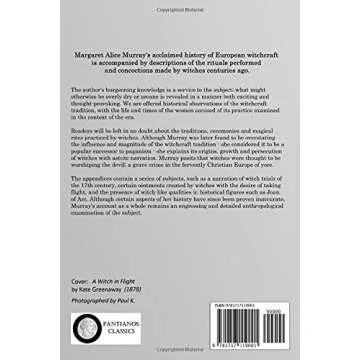
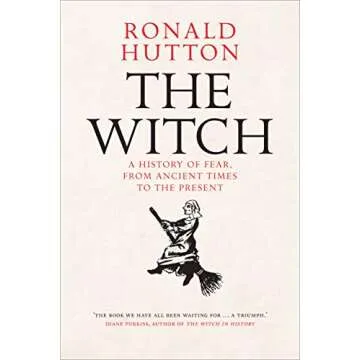
For those looking to delve deeper into the topic, consider reading "Witches, Witchcraft, and the Witches' Sabbath" by Jeffrey Russell, which provides an in-depth analysis of witch hunts throughout history. Another insightful book is "The Witch Hunts: A History of the Witchcraft Trials in Europe" by Robert E. W. McCabe.







 Continue with Google