


The Background of the Cheyenne Revolt
The Cheyenne Revolt at Fort Robinson in 1879 was a significant moment in Native American history that highlighted the ongoing struggle between Native American tribes and the United States government. The event was a result of years of confinement and oppressive conditions faced by the Cheyenne people. After being forcibly relocated to reservations, many Cheyenne, including the prominent chief Dull Knife, sought to return to their ancestral lands, leading to this dramatic revolt.
Dull Knife's Leadership and the Cheyenne Community
Dull Knife, also known as the Cheyenne chief, emerged as a pivotal figure during this tumultuous time. He was not only known for his leadership skills but also for his deep commitment to the Cheyenne people. Under his leadership, the Cheyenne at Fort Robinson organized a revolt against their conditions, driven by the desire for freedom and dignity.
The Conditions at Fort Robinson
The conditions faced by the Cheyenne at Fort Robinson were dire. The government’s broken treaties and promises exacerbated the struggles of the Cheyenne, leading to insufficient food supply and harsh living conditions. This created a volatile environment that ultimately resulted in the revolt, as the Cheyenne warriors decided they could no longer endure the treatment they were receiving.
Details of the Revolt
On January 9, 1879, the moment arrived when the Cheyenne prisoners, under the leadership of Dull Knife, revolted against their captors at Fort Robinson. The rebellion was swift and fierce, as the Cheyenne warriors attempted to escape the fort. Despite the courage and determination demonstrated by the Cheyenne people, the revolt was met with overwhelming military force from U.S. army soldiers.
The Escape Attempt by Dull Knife and His People
Dull Knife and his band sought to flee for freedom across the plains, hoping to reconnect with their people and find solace in the familiar lands. Their escape, however, turned into a desperate battle against armed soldiers. This marked a poignant moment in their struggle, showcasing their resilience and desire for freedom.
The Aftermath of the Revolt
The revolt ultimately ended in tragedy, with many Cheyenne losing their lives during the armed conflict. Those who survived faced harsh repercussions. The aftermath of the revolt further entrenched the systemic injustices faced by Native American tribes, with dire implications for Cheyenne communities for generations to come.
Fun Fact
Dull Knife’s Interesting Fact
Despite the tragedy of the Cheyenne Revolt, Dull Knife became a symbol of resistance and hope for Native Americans. His story is remembered as a powerful testament to the strength and courage of those who fought for their rights and identity.
Additional Resources
Recommended Reading on Dull Knife and Cheyenne History
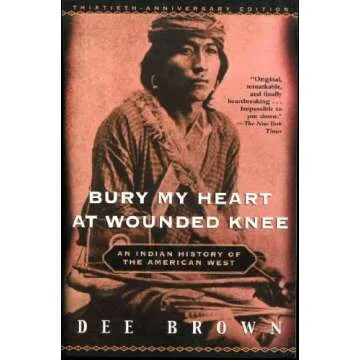
For those interested in delving deeper into the history of the Cheyenne and their experiences, consider reading “The Cheyennes: A History 1830-1970” by David A. Baird and “Dull Knife” by Pauline O. Lewis. These works provide a deeper understanding of the socio-political dynamics at play during this period.




 Continue with Google