


The Context of the 1876 Indian Wars
The Significance of the Battle of the Little Bighorn
The Battle of the Little Bighorn, fought on June 25-26, 1876, was a significant conflict between the United States Army and Native American forces. This battle, often referred to as Custer's Last Stand, escalated tensions and losses on both sides. Led by Lieutenant Colonel George Armstrong Custer, U.S. troops suffered a devastating defeat at the hands of a coalition of Lakota Sioux, Cheyenne, and Arapaho warriors.
Chief Dull Knife and the Cheyenne Nation
Chief Dull Knife emerged as a prominent leader of the Northern Cheyenne people during a time of great upheaval for Native American tribes. Dull Knife played a crucial role in resisting U.S. expansion and defending his people's rights. His village, located at the headwaters of the Powder River, became a target for the U.S. Army following their defeat at Little Bighorn, as retaliation was sought against Native nations.
The Sacking of Dull Knife's Cheyenne Village
The U.S. Army's Retaliation
In response to the humiliation faced at the Battle of the Little Bighorn, the United States Army launched an attack on Chief Dull Knife's sleeping village on the night of the attack in late 1876. Troops stormed into the village, aiming to punish the Cheyenne for their role in the broader conflict. This brutal assault forced many Cheyenne to flee, causing panic and severe loss among the community.
Impact on the Cheyenne People
The sacking of Chief Dull Knife's village had long-lasting effects on the Cheyenne Nation. Not only was there significant loss of life and property, but it also exemplified the wider policy of Indian removal and the violent tactics used by the U.S. government during this period. The attack deepened the divide between Native American tribes and the United States and contributed to the continuing legacy of trauma faced by Indigenous peoples.
Understanding the Aftermath
Consequences of the 1876 Indian Wars
The events surrounding the sacking of Dull Knife's village are often viewed within the broader context of the 1876 Indian Wars, where U.S. military aggression against Native tribes escalated. The aftermath saw many tribes being pushed onto reservations, with continued military campaigns aimed at suppressing Native resistance.
Legacy of Resistance
Despite the suffering inflicted upon them, Chief Dull Knife and his people illustrated the resilience of the Cheyenne Nation. Their struggle for freedom and autonomy inspired future generations, making their conflict part of a larger narrative of Native American resistance against U.S. expansion.
Fun Fact
Chief Dull Knife's Legacy
After the sacking of his village, Chief Dull Knife became a symbol of resistance for the Cheyenne people. He continued to advocate for his community's rights and played a significant role in later negotiations with the U.S. government.
Additional Resources
Recommended Reading on the 1876 Indian Wars
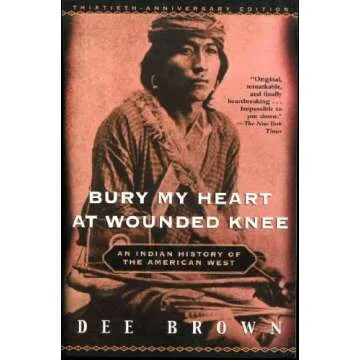
For those interested in exploring further, consider reading "Bury My Heart at Wounded Knee" by Dee Brown or "The Great Sioux War" by John S. Gray to gain deeper insights into the events and consequences of this period in American history.





 Continue with Google