


The March to Mecca: Preparing for the Conquest
Prophet Muhammad's Leadership
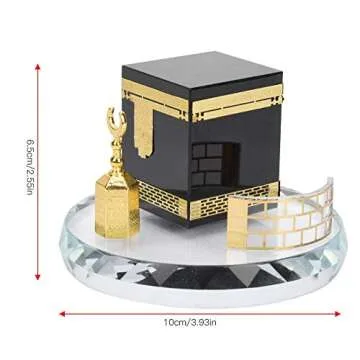
In the year 630 CE, Prophet Muhammad gathered an impressive force of 10,000 followers and prepared to reclaim the city of Mecca, a pivotal location in early Islamic history. This momentous journey represented not only a military endeavor but also the spiritual commitment of the Muslim community to restore the sanctity of the Kaaba, the sacred shrine central to their faith.
The Significance of Mecca
Mecca, identified as the birthplace of Muhammad and the initial center of Islam, held immense importance for Muslims. Despite the city's previous rejection of Muhammad’s message and ensuing conflicts, the Prophet’s return was marked by a vision of peace and unity, aiming to reconcile with former adversaries and solidify the Muslim faith.
The Events of the Conquest
Entering Mecca: A Historic Moment
As Prophet Muhammad and his army approached Mecca, it was clear that this event would be a significant landmark in Islamic history. On the day of the conquest, there were no signs of violence; instead, the Prophet underscored his message of mercy, urging his followers to treat the Meccans with kindness. This peaceful approach led to the surrender of the city without a bloody battle.
Restoration of the Kaaba
Upon entering Mecca, one of Muhammad’s first acts was to cleanse the Kaaba of idols and reaffirm its place as a monotheistic sanctuary. This act signified a monumental shift in religious belief in the region and symbolized the rightful return of Islamic practices. The restoration marked not only the physical reclaiming of a space but also the spiritual rejuvenation of the Muslim community.
Aftermath of the Conquest
The Expansion of Islam
The conquest of Mecca paved the way for the expansion of Islam throughout the Arabian Peninsula. The peaceful transition into Islam for many Meccans, following their acceptance of Muhammad's teachings, encouraged others to embrace the faith. The event marked a unifying chapter in Islamic history, inspiring a wave of conversions.
Prophet Muhammad's Legacy
Following the conquest, Prophet Muhammad laid down the foundations for an inclusive community and established principles of governance that would influence Islamic civilization for centuries to come. His actions during this period highlighted themes of forgiveness, leadership, and community empowerment, which continue to resonate within the Islamic faith.
Fun Fact
A Unique Approach to Leadership
Interestingly, during the conquest, Muhammad ordered that anyone who remained in their homes and did not take up arms would be granted amnesty. This approach emphasized his message of peace and played a crucial role in the successful capture of Mecca.
Additional Resources
Recommended Reading on Prophet Muhammad
For those interested in learning more about this pivotal figure, consider reading The Life of the Prophet Muhammad by Muhammad Husayn Haykal, and In the Footsteps of the Prophet by Tariq Ramadan. These works explore Muhammad's life and his teachings in greater depth.








 Continue with Google