


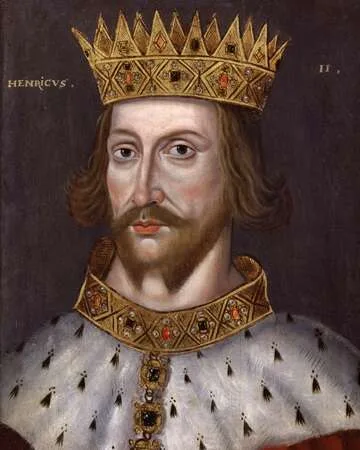

Understanding the Constitutions of Clarendon
The **Constitutions of Clarendon**, enacted in 1164 by **King Henry II of England**, sought to define the relationship between the monarchy and the church, placing limits on ecclesiastical authority in England. This legal document arose in response to growing tensions between secular and religious powers, demonstrating the fierce struggle for influence during the medieval period.
King Henry II's Vision
**King Henry II**, aiming to consolidate his rule, introduced these constitutions to curb the power of the papacy and its clergy. He believed that clerics in England should be subject to royal law and trial by royal courts, rather than ecclesiastical ones. Such reforms were intended to reinforce his authority and diminish the church's autonomy.
The Rise of Thomas Becket
As the Archbishop of Canterbury, **Thomas Becket** was a passionate defender of the church’s rights. Initially a close ally of Henry II, Becket's convictions shifted after his appointment to the archbishopric. His opposition to the Constitutions of Clarendon marked the beginning of a profound conflict between the king and the archbishop, a rift that would have significant repercussions for both the church and the monarchy.
The Aftermath of the Constitutions
The implementation of the Constitutions of Clarendon sparked a fierce clash between King Henry II and Thomas Becket. While Henry sought to ensure the supremacy of royal law, Becket vehemently opposed all attempts to diminish the church’s authority, leading to a confrontation that highlighted the deeper religious and political divides of the time.
The Quarrel Escalates
As tensions escalated, Becket’s refusal to comply with the Constitutions resulted in a dramatic fallout with the king. Their dispute grew increasingly public, showcasing the struggle for power. The consequences of this power struggle would unfold over the years, culminating in dramatic moments, including Becket’s eventual martyrdom.
Historical Significance
The **Constitutions of Clarendon** are often seen as a pivotal moment in the history of church-state relations. This conflict signified not only the struggle for authority between the English crown and the papacy, but also set the stage for future constitutional developments in England, as these issues would echo throughout British history.
Fun Fact
Thomas Becket's Lasting Legacy
Despite their quarrel, **Thomas Becket** became a revered figure after his assassination in 1170, and his subsequent canonization made him a martyr for the cause of church independence, illustrating the enduring impact of the Constitutions of Clarendon.
Additional Resources
Recommended Reading on the Conflict between Henry II and Thomas Becket
For those looking to explore this historical conflict further, consider reading the book “The Murder of Thomas Becket” by John Guy. It offers a comprehensive analysis of their tumultuous relationship and its broader implications for England.






 Continue with Google