


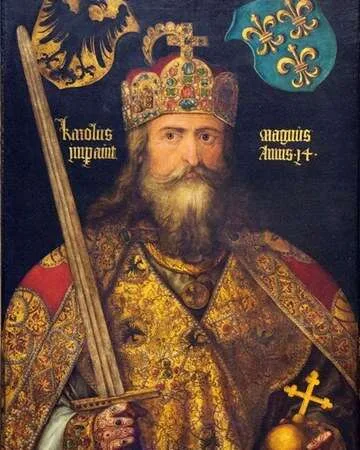
Unveiling the Council of Frankfurt 794
The Council of Frankfurt, convened in the year 794 under the auspices of Charlemagne, also known as Charles the Great, marked a significant event in the context of Christian doctrine and religious authority during the Carolingian Empire. This council was part of Charlemagne's broader agenda to unify and strengthen the Christian Church under his rule, particularly as it pertained to the growing influence of the Byzantine Empire and various theological disputes.
Held in the city of Frankfurt, the synod attracted bishops and church leaders from across Charlemagne's realm. The primary aim was to address the conflicts arising from the adoption of the Adoptionist controversy, a theological dispute which questioned the nature of Christ and His relationship with God the Father. Charlemagne, a proponent of orthodox Christianity, sought to ensure the church's teachings were aligned with the established doctrines.
Charlemagne’s Role in the Council of Frankfurt
Charlemagne played a crucial role not just as a ruler but as a mediator of Christian unity. He displayed his commitment to the faith by taking an active part in ecclesiastic matters, appointing bishops, and influencing doctrinal decisions. The king's involvement was marked by his leadership in the opening session, setting the tone for discussions about the church's fundamental beliefs and practices. Ultimately, the decisions taken at the Council affirmed the rejection of Adoptionism, reinforcing traditional views of the Trinity.
The Significance of the Council’s Decisions
The decisions made during the Council of Frankfurt reverberated throughout the Christian world, illustrating Charlemagne's influence on shaping church policy and doctrine. The condemnation of Adoptionism not only addressed immediate theological disputes but also underscored the authority of the Roman Church in matters of doctrine. This act unified the Carolingian Empire under a common belief system, further legitimizing Charlemagne's rule as a defender of the faith.
Impact of the Council on Medieval Christianity
Besides the immediate theological implications, the Council of Frankfurt had long-term effects on the relationship between church and state in Europe. By firmly establishing the principle that ecclesiastical authority was derived from the king, Charlemagne consolidated power while ensuring that religious leaders were aligned with his political ideals.
The Council as a Turning Point in Church Politics
The Council of Frankfurt resonated as a turning point in the ecclesiastical landscape of medieval Europe. It established a precedent for regular synods convened to ensure doctrinal purity and ecclesiastical governance. This development was vital for the church’s evolution into a more structured and governed institution, ultimately influencing the trajectory of Western Christianity.
The Influence on the Papacy
Moreover, the outcomes of the council contributed to a growing centralization of church authority, laying groundwork for the later supremacy of the Papacy. Charlemagne’s actions highlighted the intersection of political and religious authority, setting a standard for future leaders in their relationship with both the church and their subjects.
Fun Fact
Charlemagne’s Conversation with the Pope
Interestingly, Charlemagne maintained a significant relationship with the Pope, often appealing to papal authority in his governance. This relationship was crucial, as it provided a spiritual legitimacy to his reign and the Carolingian Empire's expansion.
Additional Resources
Recommended Reading on Charlemagne and the Council of Frankfurt
For those interested in delving deeper into this historical event, some excellent resources include "Charlemagne: Father of Europe" by Bernard Bachrach and "Charlemagne: The Formation of the European Identity" by James W. Brodman. These texts provide valuable insights into Charlemagne's life and the implications of the Council of Frankfurt.







 Continue with Google