


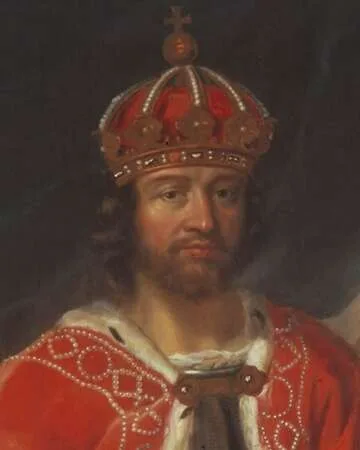
The Significance of Henry IV's Coronation
The year 1054 marked a pivotal point in European history when Holy Roman Emperor Henry III crowned his son, Henry IV, as the King of the Romans. This event not only symbolized the continuation of the powerful Salian dynasty but also played a significant role in shaping the political landscape of medieval Europe. As a young king, Henry IV would face numerous challenges, including the growing conflict between secular and ecclesiastical powers.
Henry IV's Rise to Power
Born in 1050, Henry IV was the son of Henry III and his wife, Agnes of Poitou. His coronation at the tender age of four underlined the importance of ensuring a smooth succession within the Holy Roman Empire. With his father's influence, Henry IV was groomed for leadership, but his early reign would be marked by struggles for power, especially against rebellious nobles and the Church.
The Impact of His Coronation
Henry IV's coronation was not just a ceremonial act; it solidified the authority of the monarchy in the face of growing political fragmentation in the region. The act reinforced the notion of divine right, where kings ruled with the approval of God, a concept that would be challenged during Henry's reign, especially during his conflicts with Pope Gregory VII.
Challenges Ahead for Henry IV
As a young king, Henry IV inherited not only the crown but also a realm filled with intrigue and instability. His ascension was set against a backdrop of significant opposition, as various factions within the nobility sought to assert their dominance, challenging the king's authority and the power of the emperor.
The Fight Against Nobility
Throughout his reign, Henry IV faced numerous revolts, particularly from powerful nobles who resented royal intervention in their affairs. These conflicts often culminated in violent confrontations, severely testing Henry's resolve and ruling capabilities.
Conflict with the Papacy
Henry IV's reign is perhaps best known for his infamous conflict with Pope Gregory VII, particularly over issues of investiture - the practice of appointing church officials. This struggle ultimately led to Henry's temporary excommunication, showcasing the turbulent relationship between church and state during the medieval period.
Fun Fact
Young but Powerful - The Beginning of an Era
Henry IV was only four years old when he was crowned, making him one of the youngest rulers in history. His early ascension highlights the significance of lineage and the importance placed on royal succession during the Middle Ages.
Additional Resources
Recommended Reading on Henry IV
For those interested in learning more about this fascinating figure, consider reading "Henry IV: The Ideal King" or "The Investiture Controversy: Church vs State in the Middle Ages", which delve deeper into the complexities of his rule and the historical context surrounding his reign.










 Continue with Google