


The 2016 U.S. Army Decision
The Army Corps of Engineers and the Dakota Access Pipeline
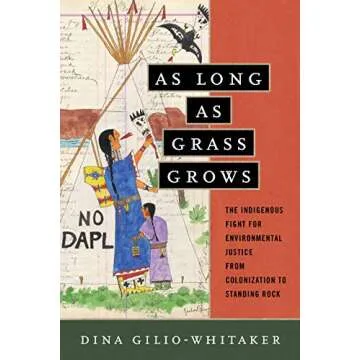
In December 2016, the U.S. Army Corps of Engineers made a landmark decision regarding the controversial Dakota Access Pipeline (DAPL). After months of intense protests by the Standing Rock Sioux Tribe and their supporters, the Army announced it would not permit the pipeline to cross underneath Lake Oahe, a key water source for the tribe. This decision was a significant victory for the indigenous group fighting to protect their lands and water rights.
Protests at Standing Rock Reservation
The protests began in April 2016 when members of the Standing Rock Sioux Tribe discovered that the DAPL would pass through their ancestral lands and potentially threaten their drinking water supply. Activists from across the nation joined the protest, establishing a camp near Cannon Ball, North Dakota, known as Oceti Sakowin. This peaceful demonstration drew attention to issues of indigenous rights, environmental justice, and the need for tribal consultation in development projects.
The Aftermath of the Decision
Impact on Native American Rights
The Army's decision to halt the construction of the pipeline energized indigenous and environmental movements across the United States. It highlighted the struggles that many Native American communities face regarding their sovereignty and land rights. The protests fostered a greater understanding of environmental issues affecting not only Native Americans but also the wider community.
Future of Pipeline Projects
In the wake of this decision, it became evident that pipeline projects would face increased scrutiny. The DAPL continued operation despite legal battles, reflecting ongoing tensions between environmental protection, economic growth, and tribal rights. The Standing Rock protests set a precedent for future activism and litigation regarding development on Native American lands.
Fun Fact
The Spirit of Water Protectors
The term "water protectors" emerged as a powerful expression during the protests, emphasizing the vital role of water in Native American culture and the responsibility of protecting this precious resource for future generations.
Additional Resources
Recommended Reading on Standing Rock Protests
For those interested in learning more, consider reading "The Standing Rock Saga" and "Marking the Land: Indigenous Perspectives on the Dakota Access Pipeline". These resources provide deeper insights into the events and significance of the movement.









 Continue with Google