


The Introduction of Radio in Politics
The year 1936 marked an important milestone in the realm of American politics: it was the first time that radio was officially used as a medium for a presidential campaign. This development reshaped the way political candidates communicated with the public, offering them a direct line of communication that had not previously existed.
The Rise of Franklin D. Roosevelt
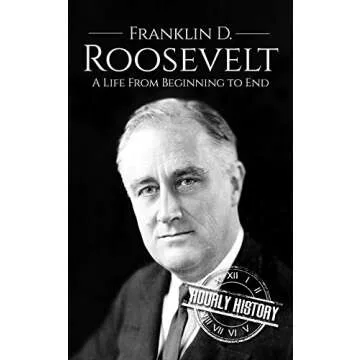
President Franklin D. Roosevelt, who had already won the presidency in 1932, recognized the power of radio as a tool for reaching a wider audience. During his re-election campaign, he utilized the medium to broadcast his ideas, policies, and personal anecdotes directly to the American people. His fireside chats, a series of informal radio addresses, endeared him to listeners and helped forge a personal connection between the President and the public.
Changing Campaign Strategies
This innovative use of radio transformed traditional campaign strategies. Candidates now had the ability to communicate their messages in a way that was instantaneous and relatable. Roosevelt's effective use of radio demonstrated its potential to influence public perception, allowing him to garner support in ways that printed materials or public speeches could not achieve.
The Impact on Future Campaigns
The successful incorporation of radio into the 1936 presidential campaign paved the way for future political engagement through the medium. Subsequent candidates began to adopt similar tactics, using radio to reach diverse audiences across America.
Legacy of the 1936 Radio Campaign
The implications of this shift were profound. Over the years, candidates have continued to explore the potential of media for political communication, adapting to changing technologies, including television and the internet. The integration of radio into the campaigning process in 1936 was merely the beginning of a trend that would evolve into today’s multi-platform political campaigns.
Roosevelt's Electoral Victory
Ultimately, Franklin D. Roosevelt's campaign was successful; he won a second term in office by a landslide, signifying the effectiveness of radio in modern politics. This historic election showcased how a well-executed strategy leveraging innovation could resonate powerfully with voters.
Fun Fact
Radio's Role Beyond the Campaign
Interestingly, the popularity of radio did not just remain within the realms of politics. It went on to revolutionize the whole landscape of media, contributing to the global spread of information and entertainment, significantly shaping American culture in the decades that followed.
Additional Resources
Recommended Reading on Radio and Politics
For those interested in a deeper exploration of this topic, consider reading "Radio's America: The Great Depression and the Rise of Modern Mass Culture" by Michael J. Kackman, and "The Fireside Chats" by David E. Manus. These works provide great insight into the historical impact of radio on political communication.



 Continue with Google