


The Musical Masterpiece of 1896: An Overview
Richard Strauss and 'Also Sprach Zarathustra'
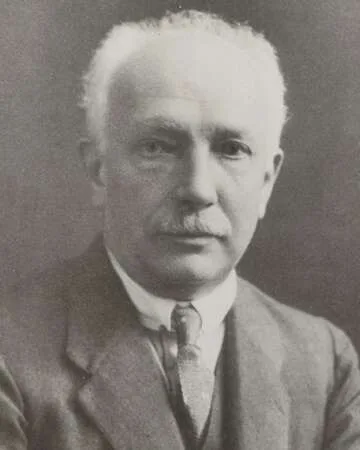
'Also Sprach Zarathustra', a remarkable tone poem composed by the German composer Richard Strauss, debuted on November 27, 1896, in Frankfurt, Germany. This composition was inspired by the philosophical novel of the same name by Friedrich Nietzsche. The piece is famous for its profound orchestral imagination and has become iconic in the realm of classical music, especially due to its powerful opening fanfare.
Nietzsche's Influence on Strauss
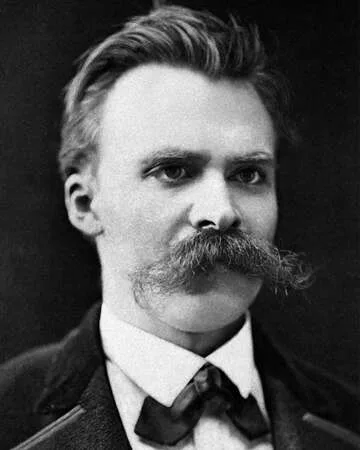
Friedrich Nietzsche's work, which explores themes of existentialism and the nature of humanity, heavily influenced Strauss’s composition. The ideas of the Übermensch and the eternal recurrence resonated through Strauss's musical interpretation, bringing a philosophical depth that goes beyond mere sound.
The Impact and Legacy of 'Also Sprach Zarathustra'
Cultural Reception at the Time
Upon its debut, 'Also Sprach Zarathustra' received mixed reviews, but over the decades, it became a favorite in concert halls worldwide. The piece is often associated with grand themes of life and philosophy, and its majestic sound has captured the imagination of audiences ever since.
Influence on Popular Culture
This tone poem reached a heightened level of fame after its feature in Stanley Kubrick's film, '2001: A Space Odyssey'. The opening movement, known as 'Sunrise', has since become synonymous with the themes of discovery and evolution, extending its influence well beyond the traditional classical music audience.
Fun Fact
The Unexpected Connection to Science Fiction
Interestingly, although 'Also Sprach Zarathustra' is grounded in philosophical thought, its presence in '2001: A Space Odyssey' has made it a staple in science fiction, illustrating the timelessness and versatility of Strauss's work.
Additional Resources
Recommended Reading on 'Also Sprach Zarathustra'
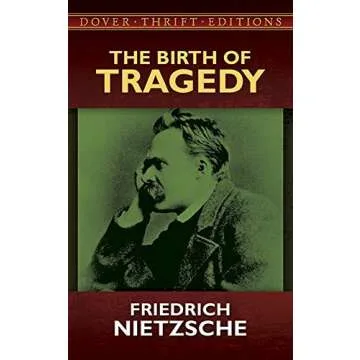
For those interested in diving deeper into this masterpiece, consider reading 'Richard Strauss: A Critical Study' by John Stewart and 'Nietzsche and Music' by Michael Tanner, both of which provide insights into the connections between philosophy and music in midst Strauss's grand compositional style.






 Continue with Google