



The Outbreak of the 1918 Flu Pandemic
The Spanish Flu Epidemic
The 1918 Flu Pandemic, also known as the Spanish Flu, emerged at the end of World War I, affecting millions around the globe. This particular strain of influenza virus was extraordinarily virulent, causing around 50 million deaths worldwide. The swift spread of the flu was exacerbated by cramped conditions of wartime troops and the movement of soldiers returning home.
Impact in the United States
In the United States, the pandemic reached a catastrophic peak in October 1918. In just one week, the flu claimed the lives of approximately 21,000 people, a stark portrayal of its lethal nature. Cities were overwhelmed, healthcare systems collapsed, and fear reigned as people tried to cope with the unprecedented death toll.
Responses to the Health Crisis
Public Health Measures
The Role of Media and Communication
During this time, newspapers played a significant role in disseminating information about the disease. Headlines blasted the seriousness of the flu, raising public awareness and, at times, inciting panic. The press urged communities to follow health guidelines, demonstrating the critical intersection of journalism and public health in times of crisis.
Fun Fact
A Forgotten Pandemic
Despite its high mortality rate, the Spanish Flu is often overshadowed by later pandemics like the COVID-19 pandemic. A fascinating aspect is that it disproportionately affected young adults, which is atypical for flu viruses, as they usually impact the very young and elderly more severely.
Additional Resources
Recommended Reading on the 1918 Flu Pandemic
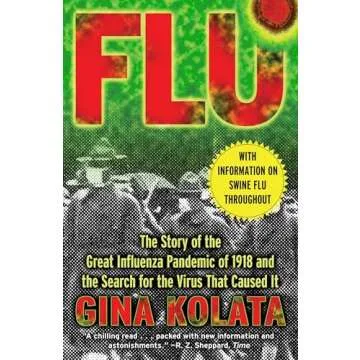
For those wanting to delve deeper into the 1918 Flu Pandemic, book recommendations include “The Great Influenza” by John M. Barry and “Flu” by Gina Kolata. These titles provide thorough examinations of the pandemic's impact on society and health systems.









 Continue with Google