


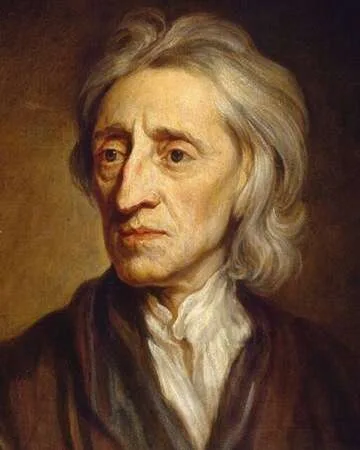
The Significance of the 2019 Discovery
In 2019, an extraordinary discovery was made at St John’s College in Annapolis, Maryland. An unknown text attributed to the Enlightenment philosopher John Locke, titled "Reasons for Tolerating Papists Equally with Others," was announced. This document, believed to have been written between 1667 and 1668, represents Locke's advocacy for religious toleration and is crucial in understanding his philosophical legacy.
John Locke’s Advocacy for Religious Toleration
John Locke, an influential figure of the Enlightenment, is widely known for his theories on government and individual rights. In this unauthorized text, Locke elaborates on why it is essential to grant equal religious rights to Catholics, referred to as 'Papists' in the era. His arguments highlight the critical nature of freedom of belief in a society, stating that personal faith should not subject an individual to persecution by the state.
The Context of Religious Intolerance
The 17th century was rife with conflicts stemming from religious intolerance. Locke’s writings emerged during a time when the Protestant Reformation and Catholic Counter-Reformation were shaping Europe. His call for the equal treatment of Papists resonates with the broader struggle for religious freedom and serves as a progressive stance against prevalent biases.
The Historical Impact of Locke’s Thought
Locke’s philosophical contributions extend beyond mere political theory into the realm of personal belief and societal structure. His writings have laid the foundation for modern concepts of governance, particularly the principles of liberty and tolerance.
Impact on Enlightenment Philosophy
This new text amplifies Locke's influence within the Enlightenment movement. It underscores the idea that toleration is not just a policy but a moral obligation. The arguments presented in this text predate and inform later Enlightenment thinkers who championed civil freedoms and human rights, illustrating Locke's role as a precursor to contemporary liberal thought.
Locke’s Legacy in Modern Society
Today, Locke's ideals resonate strongly as societies grapple with issues of religious freedom and pluralism. His assertion that desire for self-preservation requires mutual respect for diverse beliefs serves as a guiding principle for modern democratic societies striving for inclusivity and respect amid diversity.
Fun Fact
John Locke’s Influence on the Founding Fathers
An interesting tidbit about John Locke is that his thoughts significantly influenced the United States' Founding Fathers, particularly Thomas Jefferson, who famously incorporated Locke's ideas on natural rights into the Declaration of Independence.
Additional Resources
Recommended Reading on John Locke
For those interested in delving deeper into the thoughts of John Locke, I recommend "Two Treatises of Government" and "A Letter Concerning Toleration". These works provide further insights into his philosophy and arguments for individual rights and religious tolerance.







 Continue with Google