


The Election of Maximilian as King of Hungary
In the year 1563, a pivotal moment in European politics unfolded with the election of Maximilian II as the King of Hungary. This event marked a significant shift in the dynamics of the Austro-Hungarian relationship and had lasting effects on the region's political landscape. Maximilian, the son of the Holy Roman Emperor Ferdinand I, was chosen as a reaction to the delicate balance of power between the Habsburgs and their rivals, particularly the Ottomans.
Maximilian II's Kingdom of Hungary
Maximilian II ascended to the throne during a tumultuous period in Hungary’s history, a land caught between the Ottoman Empire and the Habsburgs. His reign would be characterized by efforts to strengthen the kingdom and establish stability in a time of conflict. The election was not only a reflection of his family’s ambition but also demonstrated the political maneuvering necessary to secure the crown in a fragmented region that experienced frequent shifts in allegiance.
Political Context Leading to Maximilian’s Election
The events leading to Maximilian’s election as king involved significant political intrigue, with various factions vying for power within Hungary. The absence of a clear royal successor enabled Habsburg influence to grow. The political environment was rife with tension as local nobility sought to maintain autonomy while facing external threats, particularly from the Ottomans, who had a considerable presence in the area.
Impact of Maximilian’s Kingship
Maximilian’s kingship would come to be associated with attempts at religious tolerance and central governance in Hungary. His reign laid the groundwork for future Habsburg control in the region, even amidst ongoing conflicts.
Religious Tolerance Under Maximilian II
During his time as king, Maximilian II advocated for a more inclusive approach towards Protestant reformers amidst the turmoil of the Reformation. His efforts to promote religious dialogue were seen as innovative for the time, enabling a fragile coexistence of various faiths within Hungary's borders, even as tensions simmered.
Maximilian II and the Habsburg Legacy
Maximilian II’s election set the stage for the Habsburg dynasty’s impact on Southeast Europe. Following his reign, the political structures he established and the alliances formed would influence Hungarian politics for generations. His leadership would ultimately contribute to the strengthening of Habsburg authority and the integration of Hungary into the larger Austro-Hungarian empire.
Fun Fact
Did You Know About Maximilian II?
One interesting fact about Maximilian II is that he was known for his patronage of arts and sciences. His court became a hub for intellectual exchange, which contributed significantly to the cultural landscape of the Habsburg monarchy during the Renaissance period.
Additional Resources
Recommended Reading on Maximilian II
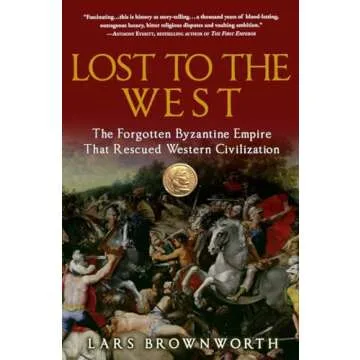
For those looking to delve deeper into the life of Maximilian II and the political climate of his time, consider reading "The Habsburg Monarchy, 1800-1918" by Mark Edele and "Maximilian II of the Habsburgs: prince for a day" by Ferdinand von Suppé. These works provide valuable insights into his reign and the historical context of his actions.






 Continue with Google