


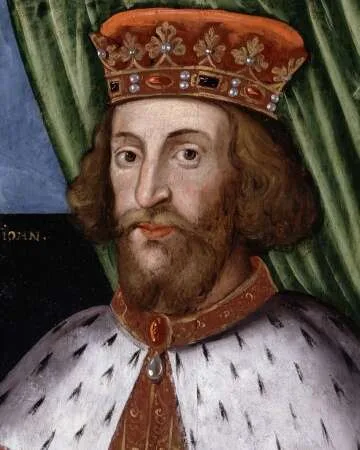
The Siege of Roche-au-Moine: An Overview
The Siege of Roche-au-Moine concluded in 1214, marking a significant chapter in the historic rivalry between England and France. King John of England, notorious for his failures in governance, sought to regain control over the territories of Normandy, which had been lost to France. The siege highlighted not only the military strategies of the time but also the politics and personal ambitions that fueled the conflict.
King John of England's Ambitions
King John, known as "John Lackland" due to his loss of lands in France, was determined to reclaim his ancestral territories. The siege was part of his larger campaign against the French crown. John's strategic plan involved capturing significant strongholds like Roche-au-Moine, aiming to reinforce his claim over Normandy and restore his honor.
The Defense of Roche-au-Moine
Roche-au-Moine was regarded as a critical fortress during the conflict. Defended fiercely by French forces, its strong walls and well-armed garrison posed significant challenges to John’s troops. The siege was characterized by intense battles and a display of medieval warfare tactics, deeply illustrating the determination of both sides to secure victory.
The Aftermath of the Siege
Ultimately, the Siege of Roche-au-Moine ended without the desired outcome for King John. The inability to capture the fortress voided his plans and further weakened his position in France. This defeat contributed to his diminishing prestige and the eventual loss of Normandy, ultimately leading to the political and military struggles that would follow.
The Impact on King John’s Reign
The failure of the siege compounded King John's problems at home and abroad, leading to discontent among his barons and the eventual signing of the Magna Carta in 1215. The loss of Normandy was not just a territorial setback but also a significant event that shaped the future of England's monarchy.
Strategic Lessons from Roche-au-Moine
The Siege of Roche-au-Moine stands as an important lesson in the limitations of military power against determined defense. It serves as a reminder of the strategic importance of fortifications and the challenges faced by monarchs in maintaining control over territories in turbulent times.
Fun Fact
The Mysterious End of Roche-au-Moine
Interestingly, the stronghold of Roche-au-Moine became less significant after the siege and was eventually abandoned, illustrating the shifting power dynamics in medieval France.
Additional Resources
Recommended Reading on the Siege of Roche-au-Moine
For those looking to dive deeper into this fascinating period of history, consider reading “The Plantagenets: The Warrior Kings and Queens Who Made England” by Dan Jones and “1215: The Year of the Magna Carta” by Danny Danziger. These works provide valuable context and insight into the era of King John and the significance of the siege.








 Continue with Google