


The Tragic Story of Marie-Joseph Angélique
In 1734, in the bustling settlement of Montreal, New France (now Quebec), a heartbreaking and controversial event unfolded. Marie-Joseph Angélique, an enslaved black woman, was accused of starting a fire that devastated large portions of the city. The ensuing trial was steeped in racial prejudice, and despite lacking substantial evidence, Angélique was convicted. This tragedy highlights the brutal realities of colonial justice and the plight of enslaved individuals in 18th century Canada.
Angélique’s Background
Marie-Joseph Angélique was born in Africa and brought to New France as a slave. Little is known about her early life prior to her arrival in Montreal, but she was sold to a wealthy French mistress. Her life as a slave was marred by the oppressive circumstances of colonial society, where enslaved people had no legal rights and were subjected to harsh treatment. Angélique's case is emblematic of the struggles faced by countless individuals in similar situations during this era.
The Fire and Its Aftermath
On the night of the fire, which broke out in April 1734, several buildings in Montreal, including Angélique’s owner's property, were destroyed. The flames were fierce, and the damage caused was devastating. Angélique was soon implicated in the arson, fueled largely by local attitudes towards enslaved black women. The lack of compelling evidence against her and the motivations behind her conviction remain subjects of historical debate.
The Trial and Execution
The trial against Marie-Joseph Angélique was influenced heavily by societal biases and the racial dynamics of the time. The French authorities, eager to placate the fears of property loss among white settlers, sought a scapegoat in Angélique. She was subjected to torture to extract a confession, leading to her eventual sentencing to death. Her execution was carried out publicly, serving as a grim spectacle meant to deter others from similar acts of rebellion or insubordination.
The Impact of the Execution
The execution of Angélique sent shockwaves through the enslaved community in Montreal. It was a stark reminder of the brutal consequences of defying the colonial powers and the perilous lives that enslaved individuals navigated every day. This event is significant in understanding the historical context of slavery in Canada and how it mirrored practices seen in other parts of the world during that time.
The Legacy of Marie-Joseph Angélique
Marie-Joseph Angélique’s story serves as a poignant chapter in Canadian history, shedding light on the intersection of race, gender, and colonial oppression. Today, she is remembered not just as a victim but as a symbol of resistance against brutal injustices. Her tale resonates with modern discussions of race relations and the legacies of slavery, emphasizing the importance of historical acknowledgment and remembrance.
Fun Fact
Angélique’s Interesting Fact
Marie-Joseph Angélique's story is not only significant in the context of slavery; it also ignited discussions around justice and human rights in the early Canadian settlements, prompting future generations to reflect on the impact of colonialism.
Additional Resources
Recommended Reading on Marie-Joseph Angélique
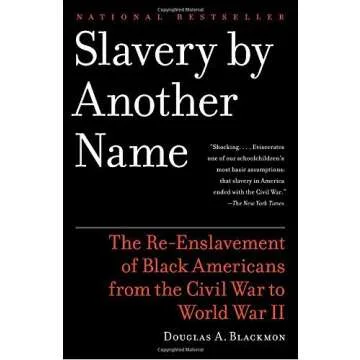
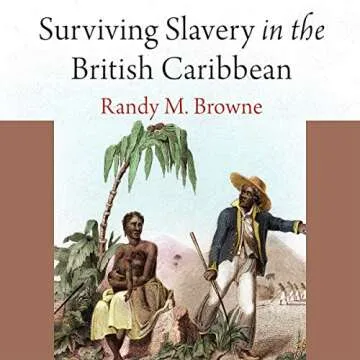
If you want to learn more about Marie-Joseph Angélique and the history of slavery in Canada, consider reading "The Hanging of Angélique: The Untold Story of Canadian Slavery and the Burning of Old Montréal" by Afua Cooper, which delves deep into her life and the societal conditions of her time.







 Continue with Google