


The Historic Capture of the Orion Nebula
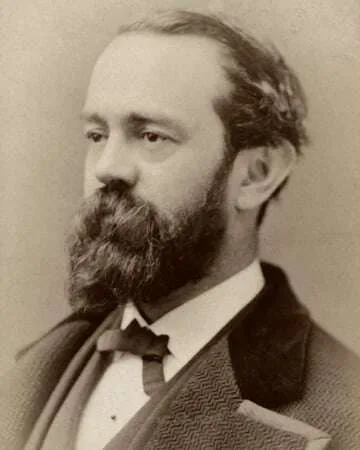
In 1880, a monumental event in the history of astronomy occurred when American amateur astronomer Henry Draper made groundbreaking progress in celestial photography. His photo of the Orion Nebula, a region of space located in the Milky Way and part of the Orion constellation, is considered one of the first successful photographs of a deep-sky object. This achievement not only contributed to the study of nebulae but also established photography as a crucial tool in astronomical research.
Henry Draper and His Ambition
Born in 1837 in New York City, Henry Draper was a physician by profession, yet he harbored a profound passion for astronomy. Using his medical knowledge and fascination with celestial bodies, Draper set out to unveil the mysteries of the universe through innovative means. His commencement into astrophotography stemmed from a quest to capture the beauty of the night sky and gain deeper insights into stellar formations.
The Process Behind the Photography
Draper utilized a telescope paired with a glass plate to expose the photographic image of the Orion Nebula for an extended period. The task was challenging due to the need to align the telescope precisely on the nebula while compensating for Earth's rotation. Despite these challenges, Draper successfully captured this celestial masterpiece, which would later inspire future generations of astronomers and photographers.
The Significance of the Orion Nebula Photograph
The photograph taken by Draper represented a pivotal moment in astrophysical methods, showcasing the ability to study objects that are light-years away. This initial evidence of photographic astronomy paved the way for further explorations into deeper space and the eventual development of more advanced astronomical imaging techniques.
The Orion Nebula's Mysteries Unveiled
The Orion Nebula itself is a region of star formation that is approximately 1,344 light-years away from Earth. Draper's photograph helped to reveal more about the nebula’s structure and importance in the wider context of the cosmos. Understanding the dynamics of such nebulae is crucial for comprehending stellar evolution.
Advancing Astrophotography Techniques
Following Draper's pioneering work, the field of astrophotography rapidly expanded. His efforts encouraged the scientific community to adopt photographic techniques for astronomical research. Over time, this led to enhanced methods and technologies that are still in use today, making significant contributions to our understanding of the universe.
Fun Fact
Henry Draper’s Impact on Modern Astronomy
One interesting fact about Henry Draper is that his work laid the groundwork for the future studies conducted by his daughter, Alice Draper, and other notable astronomers. Draper's photograph not only captured an image but also ignited further investigations that would eventually lead to profound discoveries regarding the universe.
Additional Resources
Recommended Reading on Henry Draper
For those interested in learning more about this remarkable figure, consider reading "The Astronomy of Henry Draper" or "Photographs of the Heavens: The Contributions of Henry Draper". These texts provide insights into his life and the impact of his work on the field of astronomy.





 Continue with Google