


The Significance of the First Roman Triumph
In 752 BC, Romulus, the legendary founder and first king of Rome, celebrated the first Roman triumph after his decisive victory over the **Caeninenses**. This event marked the beginning of a tradition that would evolve into a vital element of Roman culture, symbolizing a leader's military success and the glory of Rome. The triumph was a grand public celebration, showcasing the spoils of war, parades, and elaborate rituals, cementing the relationship between the military and the state.
Romulus and the Birth of Rome
Romulus, a pivotal figure in Roman mythology, is revered as the legendary founder of Rome. According to tradition, he and his twin brother, Remus, were raised by a she-wolf and later decided to establish a city. After a violent dispute, Romulus became the sole ruler, setting the groundwork for the Roman state, including its military and governance systems. The triumph celebrated after his victory against the **Caeninenses** reflected not only his military prowess but also his role in unifying and fostering a burgeoning Rome.
The Rape of the Sabine Women
In conjunction with this historic triumph, the **Rape of the Sabine Women** is a crucial episode that underscores the complexities of Rome's early history. Faced with a shortage of women to secure the future of his newly founded city, Romulus devised a plan during a festival of neighboring tribes. This controversial event entailed abducting women from the **Sabine** people, leading to a fierce conflict but ultimately integrating the Sabine community into Roman society. The triumph served to legitimize Romulus' actions, framing them within the context of military success.
The Legacy of Triumphs in Roman Culture
Celebrating victories through a triumph became a significant aspect of Roman ritual and society. These parades were not just about showcasing military achievements; they were deeply ritualistic ceremonies that reinforced the authority of the **Roman Emperor** or king and the importance of military might in governance.
Essential Components of a Roman Triumph
Typical **Roman triumphs** included a procession where the victorious commander paraded through the streets of Rome, often leading captives and displaying captured treasures. Accompanying him were musicians, priests, and even the religious paraphernalia, emphasizing the divine approval of the victory. Such occasions fostered civic pride and were crucial in building the narrative of Roman superiority over their adversaries.
Influence on Later Roman Leaders
The model set by Romulus' first triumph influenced later Roman generals and leaders. Figures such as **Julius Caesar** and **Augustus** utilized triumphs to consolidate their power and legitimize their rule, tying their accomplishments back to the foundational legend of Rome. As such, the triumph evolved into an essential tool for political propaganda, intertwining military success with the identity of Rome itself.
Fun Fact
The Mythical Founding of Rome
An intriguing fact about Romulus is that according to legend, he disappeared in a storm after celebrating his triumph. This mystical end added another layer to the enigmatic persona of the city's founder, intertwining myth with history in a narrative that would endure for centuries.
Additional Resources
Recommended Reading on Romulus and the Early Rome
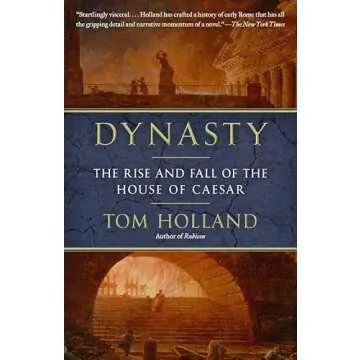
For those seeking to delve deeper into the fascinating early history of Rome, consider reading The History of Rome by **Livy** or The Twelve Caesars by **Suetonius**, both of which provide rich insights into Rome's legendary past and its formidable leaders.




 Continue with Google