



The Grand Celebration of Julius Caesar
On the 26th of September in 46 BC, Rome witnessed one of its most spectacular events - the first of four triumphal processions celebrated by none other than Julius Caesar. Following his remarkable military conquests, particularly his victory over Vercingetorix and the Gallic tribes, Caesar returned to Rome to bask in the glory of his triumph. This event was not only a showcase of Caesar's military prowess but also a vital moment in the political landscape of Rome.
The Procession Begins
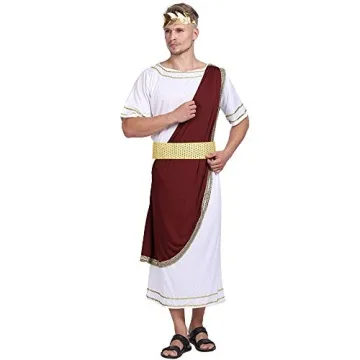
The triumphal procession kicked off with dazzling displays that caught the eyes of the entire Roman populace. Caesar rode in a gilded chariot, adorned in the traditional triumphal garb. Behind him trailed his prisoners of war, including the illustrious leader of the Gauls, Vercingetorix, who was paraded in chains. This powerful imagery was designed to demonstrate Roman superiority over its enemies and secure Caesar's position as a formidable leader.
Military Victories and Political Power
Julius Caesar's triumph celebrated not just a single victory but a plethora of successful campaigns across Gaul, Egypt, Pontus, and Africa. Each of these victories reinforced his military credentials and significantly contributed to his immense popularity among the Roman citizens. Such celebrations were critical in fostering public support, which Caesar skillfully leveraged in his quest for power.
The Impact of Caesar's Triumph
The triumph of 46 BC had lasting implications for Rome and its territories. By showcasing his military successes through grand processions, Caesar set a precedent for the future, establishing the significance of public spectacles in consolidating power.
Legacy of the Roman Triumph
Roman triumphs became a tradition where generals celebrated their victories, but Caesar's processions stood out due to their scale and frequency. The events highlighted not only military achievements but also the deep connection between leadership and public spectacle in Roman culture. Caesar's triumph was emblematic of the transition from a Republic to a more autocratic rule.
The Political Climate Post-Triumph
Post-triumph, the political landscape of Rome began to shift profoundly. Caesar's growing power posed a threat to the ideals of the Republic, causing tensions among the Senate and leading to significant political unrest. His domination through military prowess began a series of events eventually culminating in his assassination on the Ides of March in 44 BC.
Fun Fact
Vercingetorix's Defiance
Interestingly, Vercingetorix, the Gaul leader, had once won a significant victory against Caesar at the Siege of Gergovia, demonstrating his tactical skill before being defeated. His eventual capture and public humiliation served as a poignant reminder of the cycle of war and defeat.
Additional Resources
Recommended Reading on Julius Caesar
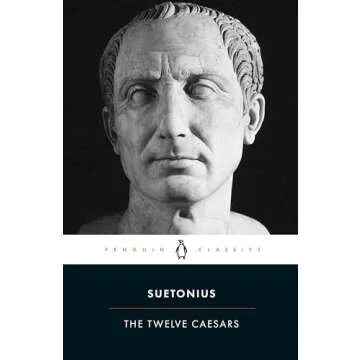
For those looking to further explore the life and times of Julius Caesar, consider these titles: The Life of Caesar by Suetonius, Caesar: A Life by Adrian Goldsworthy, and The Conquest of Gaul by Julius Caesar himself.











 Continue with Google