


The Beginning of the Judenrat
Hans Frank and the Nazi Regime
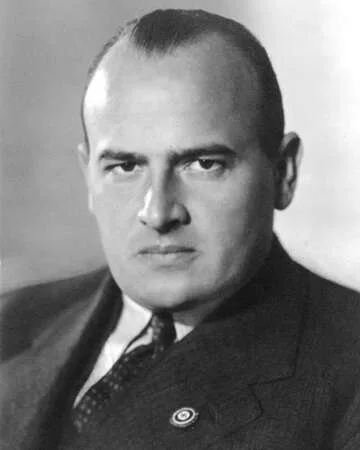
In 1939, following the Nazi invasion of Poland, the Nazi Governor-General Hans Frank swiftly enacted oppressive policies against the Jewish population. His administration introduced the formation of the Judenrat, a Jewish council that was responsible for implementing Nazi orders, collecting taxes, and managing community affairs within Jewish ghettos. This initiative was a crucial step in the Nazis' systematic approach to segregating and oppressing Jews under their control.
Purpose and Role of the Judenrat
The primary purpose of the Judenrat was to act as an intermediary between the Nazi authorities and the Jewish community. Despite being a means of bureaucratic control, the councils were often forced to make impossible choices regarding their communities, including the registration of individuals for deportation and forced labor. These councils played a vital role in the tragic unfolding of the Holocaust, as many elders and leaders struggled to protect their community while complying with Nazi demands.
The Impact of the Judenrat
Consequences of Collaboration
The establishment of the Judenrat had devastating consequences for the Jewish population in Poland. Many individuals within the councils, including leaders who sought to resist collaboration, found themselves caught in a moral quandary. As the situation worsened, the councils were tasked with carrying out the orders that ultimately led to the deportation and murder of countless Jews.
Public Perception and Historical Reflection
In the years after the war, the role of the Judenrat has been heavily debated and analyzed. While some view the councils as collaborators who betrayed their communities, others argue that they acted under duress and faced horrifying choices that placed them in difficult moral positions. Understanding the complexities of the Judenrat's involvement is essential for grasping the larger picture of Jewish suffering during the Holocaust.
Fun Fact
Judenrat's Legacy
Many of the Judenrat members tried to resist the Nazis by advocating for their communities, with some even working creatively to smuggle people out of danger – a testament to the resilience found within even the direst circumstances.
Additional Resources
Recommended Reading on the Judenrat
For a deeper exploration of the complex history surrounding the Judenrat, consider reading "The Holocaust: A New History" by Laurence Rees or "The Destruction of the European Jews" by Raul Hilberg.












 Continue with Google