


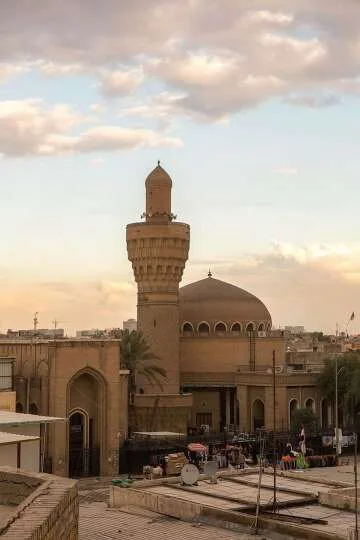
The Birth of Baghdad: A New Era in Civilization
In the year 762 AD, a monumental event took place that would change the course of history. The Abbasid Caliph Al-Mansur made the strategic decision to establish a new city, which he named Baghdad, just north of the ancient city with the same name. This decision was pivotal not merely for the Abbasids but for the entire Islamic world. Baghdad was to become the capital of the Abbasid Caliphate and a flourishing center of culture, learning, and commerce. Its location along major trade routes allowed it to thrive economically and attract people from across the globe.
Al-Mansur’s Vision for Baghdad
The Caliph Al-Mansur envisioned Baghdad as a grand city that would reflect the power and glory of his reign. The city was carefully planned, with its circular layout symbolizing unity and strength. Streets radiated from the central mosque and the caliph's palace, indicating the importance of religion and governance. Al-Mansur's ambition was to create a city that could rival the great centers of civilization, and in many ways, he succeeded.
Architectural Marvels of Baghdad
Baghdad was not just a political hub; it was also an architectural masterpiece. The city was characterized by beautiful public buildings, gardens, and mosques, showcasing the artistic elegance of Islamic architecture. The most notable feature was the House of Wisdom, a monumental institution where scholars gathered to translate, study, and innovate. This institution became a cradle of knowledge and played a crucial role during the Islamic Golden Age.
The Rise of a Cultural Beacon
Over the decades, Baghdad grew rapidly, absorbing influences from different cultures and civilizations. By the 9th century, it was regarded as one of the greatest cities in the world, attracting merchants, scholars, and artists. Its bustling markets, vibrant festivals, and intellectual atmosphere exemplified the rich tapestry of urban life in medieval times.
Baghdad’s Role in the Islamic Golden Age
As the capital of the Abbasid Caliphate, Baghdad became a vital center during the Islamic Golden Age. It was here that mathematics, astronomy, medicine, and philosophy flourished. Scholars from various parts of the world converged in Baghdad to exchange ideas and knowledge, highlighting the city’s role as a melting pot of cultures.
Challenges Faced by Baghdad
Despite its successes, Baghdad faced numerous challenges, including political strife and the threat of invasions. Over the centuries, the city endured significant upheaval but managed to retain its spirit of resilience and adaptability. The legacy of Baghdad as a historical city endures, reminding us of its critical role in shaping human civilization.
Fun Fact
Baghdad’s Geographic Significance
Baghdad was strategically located along the Tigris River, facilitating trade and communication. This geographic advantage was a key factor in its rapid growth and development.
Additional Resources
Recommended Reading on Baghdad’s History
For those interested in delving deeper into the rich history of Baghdad, consider reading "The Abbasid Caliphate: A History" and "Baghdad: City of Peace, City of Blood". These works provide comprehensive insights into its culture and influence throughout the centuries.













 Continue with Google