


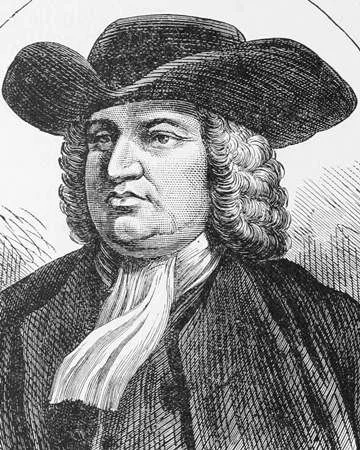
William Penn and the Establishment of Pennsylvania
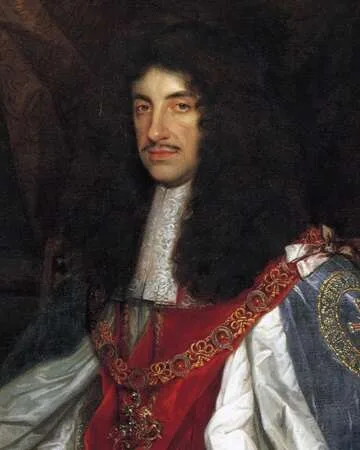
In the year 1681, a significant milestone in American history was reached when English Quaker William Penn received a royal charter from King Charles II. This charter granted Penn the opportunity to establish a new colony known as Pennsylvania, which translates to "Penn's Woods." This event marked the beginning of a unique experiment in democracy and religious freedom in the New World.
William Penn: The Visionary Leader
William Penn was born in 1644 in London, England. As a member of the Society of Friends (Quakers), he advocated for religious freedom, equality, and peaceful coexistence among different faiths. His beliefs often put him at odds with the established church in England, leading to multiple imprisonments. However, his steadfast dedication to his ideals caught the attention of King Charles II, who owed a debt to Penn's father. This relationship paved the way for the grant of land in America.
The Royal Charter: A New Beginning
The royal charter not only made William Penn the sole proprietor of Pennsylvania but also provided him with full authority to govern the territory. The charter encapsulated Penn's vision for a colony characterized by tolerance and liberty. Penn envisioned Pennsylvania as a place where individuals could find freedom from religious persecution, sparking a wave of migration from various parts of Europe seeking solace and a fresh start.
Pennsylvania: Birthplace of Religious Freedom
Pennsylvania quickly became known as a sanctuary for diverse religious groups, including Quakers, Huguenots, and various other dissidents. The colony's framework of governance, notably the Frame of Government that Penn introduced in 1682, emphasized individual rights and democratic principles. This was a revolutionary concept at a time when most societies were governed by authoritarian rule.
Penn's Legacy in Governance
William Penn's innovative governance model included a legislature that allowed for representation of the settlers, establishing an early form of democratic government in the Americas. His efforts to promote peace between the Native Americans and the European settlers laid the groundwork for relatively harmonious relations that lasted for several decades.
Religious Tolerance in Pennsylvania
Penn’s commitment to religious tolerance set Pennsylvania apart from other colonies. The famous phrase “We the people” emerged from his efforts to create a government that respected the beliefs of all its inhabitants, laying the initial foundations for future democratic ideals in the nation.
Fun Fact
William Penn and His Native Connections
Interestingly, William Penn had a profound respect for Native American cultures. It is said that he forged treaties with them, emphasizing peace and mutual respect, which was rare for colonial interactions of the time. This approach later became known as the "Treaty of Shackamaxon" where Penn and the Delawares reportedly met under a great elm tree to establish a peaceful agreement.
Additional Resources
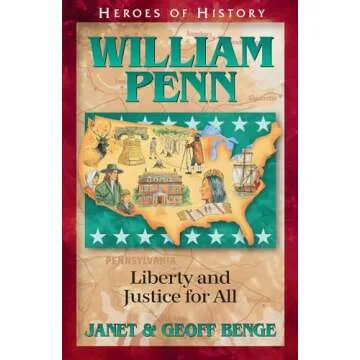
Recommended Reading on William Penn
For those interested in delving deeper into William Penn’s life and Pennsylvania’s history, we recommend the following books: "William Penn: A Life" by Andrew R. Murphy, and "Pennsylvania: A History of the Commonwealth" by William A. Hunter. These works provide further insights into Penn’s vision and the impact of his governance on American democracy.








 Continue with Google