


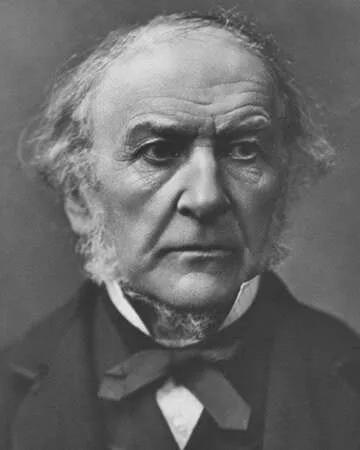
A Historic Transition to the Fourth Gladstone Ministry
In 1892, a significant shift occurred in British politics with the formation of the Fourth Gladstone Ministry, marking the final government led by the esteemed politician William Ewart Gladstone. As a leading figure in the Liberal Party, this administration played a pivotal role during a crucial period in British history.
Gladstone's journey back to 10 Downing Street came after he was initially Prime Minister in a series of governments that shaped the modern political landscape. The appeal for a new government was largely driven by the resurgence of the Liberal Party and increasing public support for its reformative policies.
William Gladstone: The Main Architect
William Gladstone, born in 1809 in Liverpool, England, was not just a politician; he was a statesman known for his dedication to social reform and expansion of political rights. In this fourth term, he sought to address issues surrounding Irish Home Rule, advocating for the rights of the Irish people and increasing autonomy from British rule, which had been a central theme throughout his career.
The Context of the Fourth Gladstone Ministry
The backdrop of the Fourth Gladstone Ministry was set against rising social issues, including labor rights and women's suffrage. Gladstone's administration aimed to tackle these pressing issues by introducing various reforms, making the government more responsive to the needs of the populace.
Key Policies and Challenges During 1892-1894
During its tenure from 1892 to 1894, the government faced numerous challenges, particularly regarding the contentious issue of Irish Home Rule. The division within the Liberal Party and opposition from the Conservative Party added layers of complexity to governance.
Irish Home Rule Legislation
One of the hallmark policies of the Fourth Gladstone Ministry was the introduction of a Home Rule Bill aimed at granting Ireland greater control over its governance. This legislation sparked intense debates and highlighted the divisions within British politics on matters of national identity and governance.
The Struggle with the House of Lords
The Ministry also faced significant resistance from the House of Lords, which challenged the legitimacy of the Home Rule Bill. This struggle emphasized the growing tensions between the two houses of Parliament and laid the groundwork for future reforms in Parliament structure and powers.
Fun Fact
Gladstone's Remarkable Legacy
Did you know that William Gladstone is considered one of the greatest Prime Ministers in British history? His dedication to reform and public service has left an enduring legacy that continues to influence political thought today.
Additional Resources
Recommended Reading on William Ewart Gladstone
For those interested in learning more about this remarkable leader, consider reading "Gladstone: A Biography" by Richard Shannon, which delves into the complexities of his life and political career. Also, "The Victorian Political Tradition: A Critical Introduction" by James W. M. Howat offers insights into the political context of the era.







 Continue with Google