


The Start of a Dark Chapter in Soviet History
On July 30, 1937, the Soviet Politburo, under Joseph Stalin's regime, put into effect a chilling directive known as NKVD Order No. 00447. This order marked a significant escalation in the Great Purge—a brutal campaign designed to eliminate perceived enemies of the state, particularly targeting the so-called "kulaks" (wealthy peasants) and anti-Soviet individuals. The measures outlined in this order aimed to instill fear within the populace and reinforce Stalin's grip on power.
NKVD Order No. 00447 and Its Objectives
The main objective of NKVD Order No. 00447 was to identify and repress individuals classified as kulaks, who were seen as threats to the Soviet collectivization efforts. The order instructed local authorities to conduct widespread arrests and to carry out investigations on suspected kulaks, with a target of 269,100 arrests being set. This initiative highlighted the paranoia that enveloped the Soviet leadership, where any property ownership or dissent was enough to label someone as a class enemy.
The Consequences of the Order
The ramifications of this order were devastating. In the span of the Great Purge, approximately 76,000 individuals were executed as a direct result of NKVD Order No. 00447. Thousands more suffered inhumane treatment in gulags, with families torn apart and communities ravaged. The sheer brutality of the order served to instill a paralyzing fear among the Soviet populace, deeply impacting life in the Soviet Union.
The Wider Context of the Great Purge
The Great Purge encompassed a broader context of political repression and societal terror within the Soviet Union during the late 1930s. It was a period characterized by widespread paranoia where even the staunchest supporters of Stalin's regime were not safe from persecution.
Stalin's Role in the Great Purge
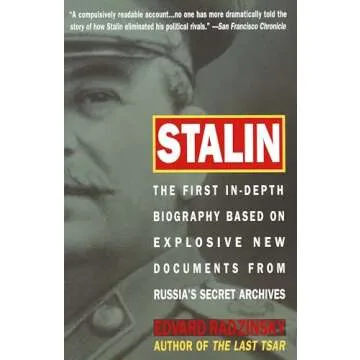
Joseph Stalin's leadership was pivotal in orchestrating the Great Purge. His belief in the need to eliminate dissent and consolidate power led to a culture of fear, resulting in the systematic elimination of anyone perceived as a threat. This included Communist Party members, military leaders, intellectuals, and ordinary citizens.
The Impact on Soviet Society
Order No. 00447, along with other measures taken during the Great Purge, had a profound effect on Soviet society. Families were disrupted, friendships shattered, and the trust within communities severely eroded. This culture of fear created an environment where people were wary of expressing their thoughts, leading to a stifling atmosphere devoid of dissenting voices and creativity.
Fun Fact
Interesting Fact about NKVD Order No. 00447
Remarkably, many of those executed under this order were not just kulaks; a large number were falsely accused or were victims of personal vendettas, showcasing the chaotic and unjust nature of Stalin's purges.
Additional Resources
Recommended Reading on the Great Purge
For those interested in delving deeper into this dark period, consider the following books: The Great Terror by Robert Conquest and Stalin: The Court of the Red Tsar by Simon Sebag Montefiore. These works provide comprehensive insights into the political climate and human costs of Stalin's repressive regime.




 Continue with Google