



Significance of the Berlin Wall's Fall
The Beginning of a New Era
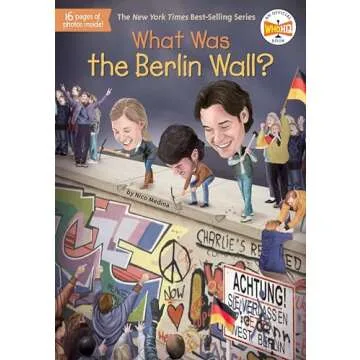
The Fall of the Berlin Wall on November 9, 1989, marked the end of decades of division between East and West Germany. This monumental event symbolized not only the reunification of Germany but also reflected the broader collapse of communism in Eastern Europe. The wall had stood since 1961, dividing families, communities, and ideologies, until a bureaucratic mistake led to its unexpected opening.
Checkpoint Charlie's Transformation
Checkpoint Charlie, once the most famous crossing point between East and West Berlin, became a symbol of freedom and hope as thousands of East Berliners flooded into the West. The announcement of lifted travel restrictions was a shock, leading to joyful chaos as people rushed to cross the border, demonstrating their desire for freedom and change.
The Atmosphere of Expectation and Celebration
Public Reaction and Celebration
The atmosphere in Berlin was electric on the evening of November 9, as news of the wall’s breach spread rapidly. Crowds gathered at the wall, celebrating with cheers, tears of joy, and the exchange of hugs between long-separated friends and family members. The sheer euphoria of this newfound freedom marked an unprecedented moment in history.
Political Ramifications Beyond Germany
The fall of the Berlin Wall had profound implications for the global political landscape. It signified the disintegration of Soviet influence in Eastern Europe and paved the way for the eventual dissolution of the Soviet Union itself in 1991. The event ignited conversations about democracy and human rights across the globe, serving as an iconic image of liberation steeped in the collective struggle of people.
Fun Fact
A Remarkable Fact About the Wall’s Fall
Interestingly, the wall was not brought down by military action or political negotiation but rather by a simple misunderstanding regarding travel regulations. The bureaucratic error that announced the lifting of restrictions sparked an immediate rush, leading to the historical moment we remember today.
Additional Resources
Recommended Reading on the Berlin Wall
For those interested in exploring more about this pivotal event, consider reading “The Berlin Wall: 13 August 1961 – 9 November 1989” by Frederik H. B. W. Krüger and “A World Without Walls” by Peter Schneider, which provide in-depth analyses of the wall's history, its impact, and personal accounts from those who lived through this time.











 Continue with Google