


The Groundbreaking Liverpool and Manchester Railway
The Liverpool and Manchester Railway (L&MR), inaugurated on September 15, 1830, was a transformative moment in the history of transportation. Spearheaded by the visionary engineer George Stephenson, this railway connected the two major industrial cities in England: Liverpool and Manchester.
This remarkable project was not just about laying tracks; it epitomized the ingenuity of the early Industrial Revolution, making it the first fully operational railway line to rely exclusively on steam power. The L&MR significantly changed how goods and people moved, helping to catalyze economic growth in the region and beyond.
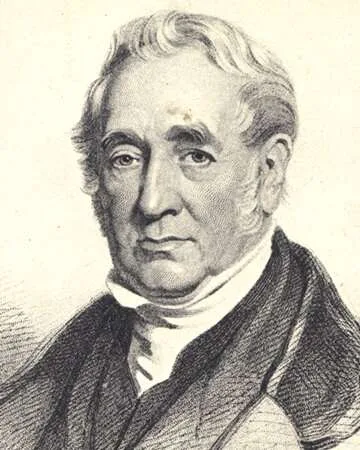
George Stephenson: The Father of Railways
George Stephenson, born in 1781, is often referred to as the "Father of Railways" due to his unparalleled contributions to railway engineering. His creation, the locomotive named Locomotion No. 1, showcased the potential of steam power for locomotive services.
Stephenson's expertise and persistent advocacy for the railway system helped garner support and investment, turning the ambitious dream into reality. His efforts were critical in demonstrating the practicality and potential profitability of railway transport.
The Opening Day Celebration
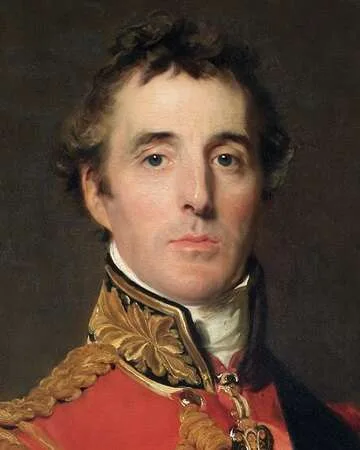
The opening ceremony witnessed a grand parade featuring the locomotive along with numerous dignitaries, including the Duke of Wellington, who formally opened the line. This event heralded a new era in transportation, attracting thousands of spectators eager to experience this marvel of modern engineering.
A New Era of Transportation
The successful launch of the Liverpool and Manchester Railway set a precedent for future rail development across the UK and eventually worldwide. It demonstrated the viability of railway transport, paving the way for the extensive rail networks that would develop in the decades to follow.
Impact on Commerce and Industry
By connecting Liverpool’s bustling port with Manchester’s manufacturing hub, the L&MR drastically reduced transit times for goods. This efficiency helped to bolster trade and commerce in the North of England, emphasizing the importance of efficient transportation in industrial growth.
Social Changes Brought by the Railway
The railway not only changed economic landscapes but also transformed social structures. It made travel more accessible, allowing people from various backgrounds to connect and migrate between urban centers, thus shaping the cities of Liverpool and Manchester.
Fun Fact
George Stephenson’s Lasting Legacy
Though he died in 1848, George Stephenson's influence continues to be felt today; the L&MR is considered the world's first modern railway, and its success sparked the global railway revolution.
Additional Resources
Recommended Reading on George Stephenson and Railways
For those interested in learning more, two excellent books are "The Great Race: The Global Quest for the World’s Best Skydiver" and "Racing the Devil: The Legend of George Stephenson", both of which explore the incredible life and era of railway history.






 Continue with Google