


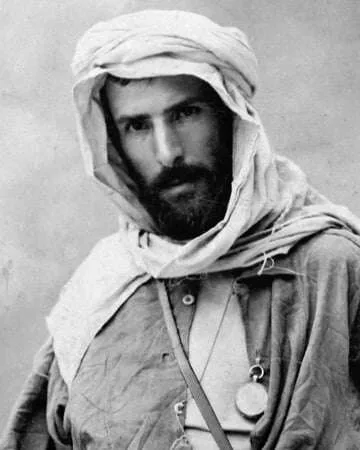
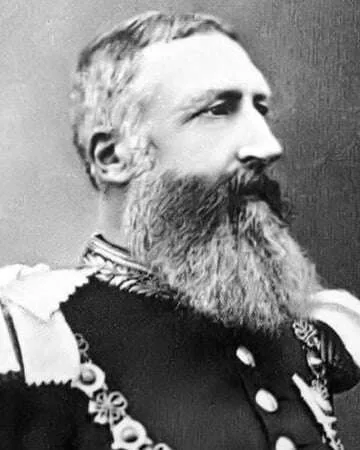
The Significance of the 1882 Meeting
The year 1882 marked a pivotal moment in the history of European colonialism, particularly regarding the African continent. On this notable occasion, King Leopold II of Belgium hosted explorer Pierre Savorgnan de Brazza in what would become one of the most consequential gatherings for the future of Central Africa. This meeting symbolized the rivalry between European powers for territorial control and shaped the fate of the Congo region.
Leopold II's Colonial Ambitions
King Leopold II was driven by a desire for prestige and expansion, leading him to establish personal control over large swaths of Africa. His ambitions manifested in the formation of the Congo Free State, which he claimed to be a humanitarian effort. However, it was ultimately a guise for exploitation. This meeting with de Brazza was crucial as it helped solidify Leopold's strategic goals in the region.
The Role of Pierre Savorgnan de Brazza
Pierre Savorgnan de Brazza, known for his exploratory missions in Africa, represented a different perspective on colonialism, often focusing on treaties and peaceful negotiations with local tribes. His encounters were rooted in the belief that cooperation was more beneficial than conflict. Consequently, this meeting highlighted the contrasting approaches of European explorers and leaders when dealing with colonial territories.
Impacts on Central African Exploration
The encounter between King Leopold II and de Brazza had lasting ramifications for Central Africa's political landscape. As de Brazza was seen as the pioneer of French colonial interests in the region, Leopold's ambitions were both rivalrous and conflicting, leading to increased tension between different colonial powers.
France and Belgium's Competing Interests
After the meeting, both nations intensified their efforts. The French aimed to secure their foothold to counteract Belgian claims in the Congo basin. The juxtaposition of Belgian imperial aspirations against French explorations escalated tensions, affecting diplomatic relations in Europe and Africa.
Colonial Policies and Their Consequences
The ideologies presented by Leopold and de Brazza during their meeting hastened the implementation of exploitative policies that led to significant suffering among local populations. This clash of ideas would not only redefine borders in Africa but also set the stage for future conflicts across the continent due to colonial actions taken after their meeting.
Fun Facts
Leopold II's Unconventional Approach to Colonization
Unlike many of his contemporaries, King Leopold II sought personal ownership of the land rather than acting through traditional government means, which was quite uncommon for European monarchs at the time.
Additional Resources
Recommended Reading on King Leopold II and Pierre Savorgnan de Brazza
For a deeper understanding of this era and the individuals involved, consider exploring the books "King Leopold's Ghost" by Adam Hochschild and "Explorations in Africa" by Pierre Savorgnan de Brazza, both of which provide comprehensive insights into their legacies and the impact of their actions on Africa.






 Continue with Google