


The Historical Context of the 1943 Pay-as-You-Go Tax
In 1943, amidst World War II, the United States faced significant financial pressures. The government sought innovative ways to fund the war effort while maintaining the integrity of its economy. This led to the introduction of the **Pay-as-you-go** tax system, a pivotal moment that transformed how Americans thought about income tax. This new system introduced **withholding tax**, allowing the government to collect taxes directly from employees' paychecks, thereby ensuring a steady stream of revenue.
What is the Pay-as-you-go Tax System?
The **Pay-as-you-go** tax system mandates that taxes are deducted from an employee's paycheck before they receive their earnings. This was a departure from previous practices, where individuals were responsible for paying their annual income taxes in a lump sum, often leading to budgetary difficulties for many. The introduction of withholding tax helped to alleviate this burden, distributing tax payments over the course of the year.
Implementation and Impact of Withholding Tax
The **withholding tax** was monumental in its implementation. It began as a temporary measure to support the war but later became a permanent feature of the tax system. The process required employers to deduct a specific percentage from employee earnings to send directly to the government. This change had a long-term impact on how income tax was perceived, making it a regular part of financial planning for American families.
The Legacy of the 1943 Tax Reform
The introduction of the withholding tax not only changed the landscape of tax collection in the United States but also laid the groundwork for the modern tax system that continues today.
Changes in Taxpayer Attitudes
With the introduction of the **Pay-as-you-go** system, taxpayers gradually shifted their attitudes toward taxes. No longer seen as an annual burden, taxes became more manageable and predictable, allowing individuals to adjust their financial planning accordingly. People were less likely to face unexpected tax bills during tax season, which improved overall compliance.
The Long-term Consequences of the 1943 Tax System
The legacy of the **1943 tax reform** established a framework that would remain relevant for decades. The system ensured that even as the country navigated economic challenges, essential public services and government operations would continue to receive funding. Over time, this reform proved to be a crucial component of the fiscal stability of the nation.
Fun Fact About the 1943 Tax Reform
A Surprising Start to Withholding
Interestingly, the **Pay-as-you-go** tax system was initially meant to be a temporary measure during World War II but became a permanent rebuilding tool post-war, shaping how the government collected taxes for generations.
Recommended Reading on the Pay-as-you-go Tax System
Explore Further
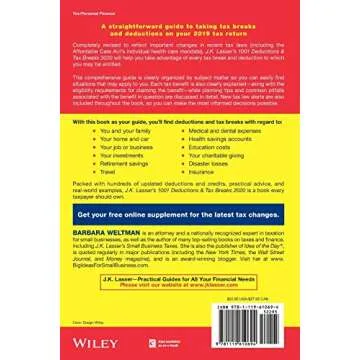
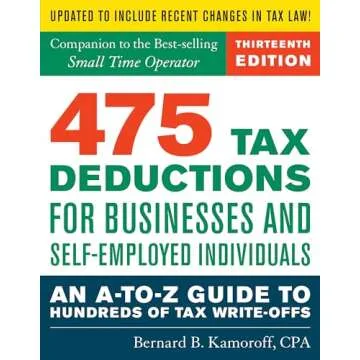
For those interested in learning more about the evolution of tax systems in the United States, I recommend books such as "The History of Taxation in America" and "The IRS: A History of the Federal Tax Agency". These provide deeper insights into how tax legislations have shaped American fiscal policy over the years.

![TurboTax Deluxe 2024 Tax Software, Federal & State Tax Return [PC/MAC Download]](https://assets.giftpals.com/assets/uc/Gift/K21q7ZB4FNA9/1/thumbnail_default_1.webp?pSTpHWHBKWoZ)


![H&R Block Tax Software Deluxe + State 2022 with Refund Bonus Offer (Amazon Exclusive) [PC Download] ...](https://assets.giftpals.com/assets/uc/Gift/9LsINmqWKgDR/1/thumbnail_default_1.webp?WhcxH5rZ8WIn)



 Continue with Google