


Mary Phelps Jacob: A Revolutionary in Women's Fashion
Who Was Mary Phelps Jacob?
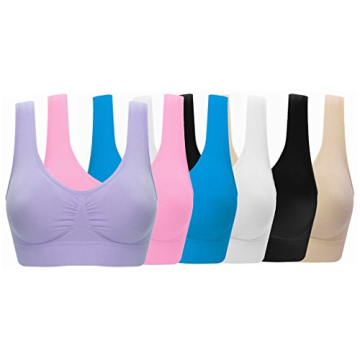
Mary Phelps Jacob, a socialite from New York, made history in 1914 when she patented the first modern brassiere, an invention that would forever change women's undergarments. Born in 1891, Jacob was initially known for her role in high society, but her ingenuity soon shifted the focus to her pioneering spirit in fashion.
The Need for Comfort
Before the invention of the brassiere, women routinely wore corsets that were often uncomfortable and restrictive. Mary Phelps Jacob recognized the need for a more practical support garment. At just 19 years old, she fashioned a prototype using two handkerchiefs and a ribbon, which accentuated comfort without sacrificing style.
The Patent That Changed an Industry
Securing the Patent
In 1914, Mary Phelps Jacob filed for a patent and successfully received it, marking a pivotal moment in women’s fashion history. This innovative design allowed women the freedom to move more naturally while providing adequate support, paving the way for the modern brassiere as we know it today.
Impact on Women's Fashion
The introduction of the brassiere revolutionized women's clothing, ultimately leading to more relaxed styles and greater liberations from traditional corseted attire. As society began to embrace more progressive views on women's rights, Jacob’s invention became symbolic of greater autonomy over one’s body.
Fun Fact
Mary Phelps Jacob's Influence
Despite its success, Mary Phelps Jacob’s story is often overshadowed by the commercialization of her invention; one fun fact is that she later chose to sell her patent for just $1,500, unaware of the massive impact it would have on the fashion industry in the decades to follow.
Additional Resources
Recommended Reading on the Brassiere
If you wish to learn more about the history of the brassiere and its impact on women's fashion, consider reading "Brassiere: A History" by Yvonne S. F. De Duarte and "Corsets and Crinolines" by Norah Waugh for deeper insights into the evolution of women’s undergarments.










 Continue with Google