


Thomas Willis: A Visionary in Medicine
Thomas Willis: The Man Behind Important Discoveries
Thomas Willis, an eminent English physician, was born in 1621 and is best known for his groundbreaking contributions to the fields of epidemiology and the anatomy of the brain and nervous system. His work laid the foundations for modern neurology and his studies significantly advanced our understanding of human physiology.
Willis’s Innovations in Anatomy and Physiology
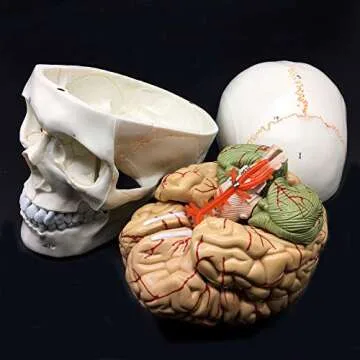
In a time when medical understanding was limited, Willis undertook the meticulous study of the human brain. He is credited with identifying the circle of blood vessels at the base of the brain, now known as the Circle of Willis, which is crucial for understanding cerebral circulation. His influential written works, such as “Cerebri Anatome”, established anatomical terms still used today.
Willis’s Impact on Epidemiology and Medicine
Thomas Willis and Epidemic Diseases
During his career, Thomas Willis recognized the impact of infectious diseases and their relationship to overall health. His pioneering approach in studying epidemiology has influenced how we understand disease transmission, making him a key figure in the history of public health.
The Lasting Effects of Willis’s Work
Willis died in 1675 at the age of 54, yet his influence remains, as his ideas paved the way for future neurologists and physicians. The methods he developed for studying the nervous system are still taught and used in medical schools today, demonstrating his lasting legacy in the world of medicine.
Fun Fact
Thomas Willis’s Interesting Fact
Did you know that Thomas Willis was a founding member of the Royal Society? His involvement helped promote scientific research and inquiry, shaping the future of medicine and biology.
Additional Resources
Recommended Reading on Thomas Willis
To delve deeper into the life and work of Thomas Willis, consider reading “The Anatomy of the Brain” or “Cerebri Anatome”, which detail his significant findings and influence on neurology.








 Continue with Google