


The Grand Arrival of the Queen Mary
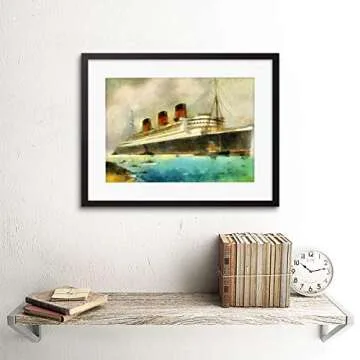
On May 27, 1936, the iconic ocean liner SS Queen Mary completed its maiden voyage, arriving in New York City to immense fanfare. This magnificent ship, built for the Cunard Line, was recognized for its incredible size, luxurious features, and remarkable speed, redefining transatlantic travel. The Queen Mary was designed to win the prestigious Blue Riband as the fastest ship on the North Atlantic, a title it would proudly hold for several decades.
The Construction of the Queen Mary
The construction of the Queen Mary began in 1929 in Clydebank, Scotland, at the John Brown & Company shipyard. The ship was a product of visionary engineering and artistic design, boasting Art Deco interiors, lavish staterooms, and expertly crafted public spaces. The British government provided significant support for its completion due to the importance of shipping to the UK’s economy during that era.
The Maiden Voyage Experience
Comprising a diverse passenger list, the maiden voyage featured celebrities, aristocrats, and travelers from every walk of life. Onboard, guests enjoyed exceptional service, gourmet meals, and a variety of entertainment. The successful completion of its maiden voyage was celebrated in both the UK and the United States, as it symbolized hope and prosperity during the interwar period.
Lasting Impact and Legacy of the Queen Mary
Upon its arrival in New York, the Queen Mary attracted considerable media attention, leading to the ship becoming a cultural icon. It not only transformed luxury travel but also established a reputation for speed and comfort that set new standards for future ocean liners.
The Queen Mary in Popular Culture
The SS Queen Mary has appeared in numerous films and television programs, capturing the imagination of audiences worldwide. Its glamorous history continues to be celebrated today, as many people are still fascinated by the grandeur and romance of ocean travel in the early 20th century.
Retirement and Preservation of the Queen Mary
After serving during World War II, the Queen Mary was retired in 1967 and permanently docked in Long Beach, California, where it operates as a hotel and museum. This preserved maritime treasure allows visitors to experience the opulence of its past and learn about its storied history on the high seas.
Fun Fact
The Queen Mary’s Record-breaking Speed
During its service, the SS Queen Mary recorded a speed of 31.69 knots, setting the record for the fastest transatlantic crossing at the time. This development solidified its reputation as a true engineering marvel.
Additional Resources
Recommended Reading on the Queen Mary
For those interested in exploring more about the SS Queen Mary, consider reading The Story of the Queen Mary by John Maxtone-Graham and Queen Mary: The Last Great Liner by Brian S. C. Smith, which provide in-depth insights into its construction, voyages, and legacy.






 Continue with Google