



Martin Luther's Life-Changing Decision
In 1505, the future of Christianity took a pivotal turn when Martin Luther, a young German monk, took a significant step that would shape not just his life but the course of the Christian faith. That year, Luther made the momentous decision to join the Augustinian monastery in Erfurt, marking the beginning of his path toward becoming one of the most influential figures in Western history.
Luther's journey to the monastery was influenced by a near-death experience during a thunderstorm, which led him to promise to become a monk if he survived. This transformative encounter catalyzed his deep search for spiritual truth and fulfillment. Resolved to dedicate his life to God, Luther immersed himself in the monastic lifestyle, practicing rigorous discipline and committing himself to scholarly pursuits.
Martin Luther's Spiritual Awakening
Upon entering the Augustinian Order, Martin Luther was keenly focused on religious devotion and self-discipline. He engaged in intensive prayers and study of the Scriptures, striving for a profound personal connection with God. However, despite his fervor and dedication, Luther often found himself struggling with feelings of spiritual inadequacy and despair. His relentless quest for righteousness and assurance of salvation became a core theme in his spiritual journey.
The Impact of Monastic Life on Luther
Life in the monastery heavily influenced Martin Luther's theological views and personal beliefs. While he adopted the austere practices of the Augustinian monks, he also experienced moments of deep contemplation regarding the nature of faith, grace, and salvation. These early struggles and reflections would eventually fuel his reformist ideas and lead him to challenge prevailing Church doctrines.
From Monk to Reformer
As Luther matured in his monastic role, he became increasingly aware of the Church's corrupt practices and the need for reform. His studies led him to question the established teachings about indulgences and the nature of salvation, which later ignited the Protestant Reformation.
The Evolution of Martin Luther's Thoughts
Over his years as a monk, Martin Luther transitioned from a life solely dedicated to monastic rituals to one focused on inner faith and the personal relationship with God. His theological paradigm began to shift as he became convinced that salvation is achieved through faith alone, not through works or indulgences, laying the groundwork for his future protests against the Catholic Church.
Key Events Leading to Reformation
While Luther's entry into the Erfurt monastery appeared to be a personal and spiritual accomplishment, it ultimately set the stage for his later acts of defiance against the Church, including the famous Ninety-Five Theses in 1517. These events emerged directly from his experiences and realizations while living as a monk.
Fun Fact
Martin Luther's Unique Habit
Martin Luther famously had a habit of writing his theological ideas on scraps of paper, some of which were later found in his monastic quarters. This practice not only helped him clarify his thoughts but also laid the intellectual foundation for what would become the Reformation.
Additional Resources
Recommended Reading on Martin Luther
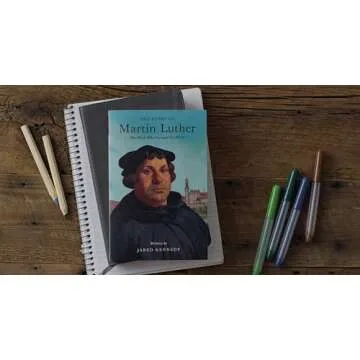
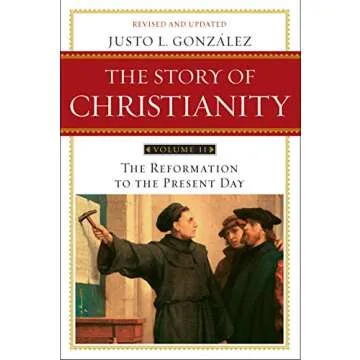
For those interested in learning more about Martin Luther and his revolutionary ideas, consider reading “Here I Stand: A Life of Martin Luther” by Roland H. Bainton and “Martin Luther: Renegade and Prophet” by Lyndal Roper. These insightful texts provide a compelling look into his life and the cultural impact of his work.







 Continue with Google