


The Strategic Importance of New Orleans
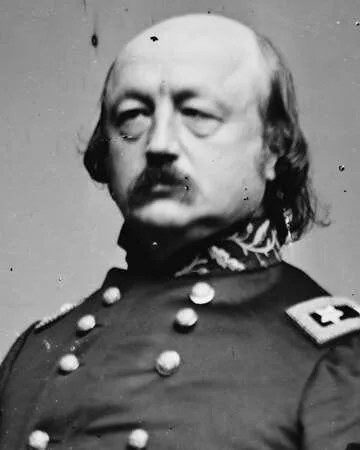
In 1862, the Union forces, led by Major General Benjamin Butler, strategically occupied the city of New Orleans during the American Civil War. This event was significant because New Orleans was one of the largest ports in the South and served as a critical supply and transportation hub for the Confederate army. The city's capture not only disrupted Confederate supply lines but also bolstered the Union's economic and military strength.
Why Was New Orleans a Target?
The Union recognized that taking control of New Orleans would cripple the Confederate war effort tremendously. The port was vital for the importation of goods and for troop movements; thus, it was indeed a prime target for the Union. The fall of the city would have a ripple effect on Confederate morale, cutting them off from vital supplies and resources.
The Tranquility of the Occupation
Against expectations, Butler's forces met little resistance from Confederate troops upon their arrival on May 1, 1862. The occupation of New Orleans was largely peaceful, as many local residents were demoralized and chose to avoid confrontation. This lack of resistance allowed Union troops to establish control with relative ease, setting the stage for a long-term Union presence in the city.
The Aftermath of the Occupation
Following the occupation, Major General Butler took several controversial measures to assert Union authority, which would stir resentment among the locals. His reputation would be complicated by the orders he issued, which included enforcing discipline and addressing the prevailing issues of civil rights during his governance.
Benjamin Butler's Leadership
As the commander during the occupation, Butler made significant decisions that reflected both military strategy and civil policy. He established laws aimed at controlling the local populace, which sometimes resulted in harsh penalties for noncompliance. His leadership was polarizing, as he was perceived by some as a liberator and by others as a tyrant.
The Wider Impact on the Civil War
The capture of New Orleans had broader implications for the Civil War. It served as a lesson for the Confederacy regarding the vulnerability of Southern cities. Over time, the Union occupation strengthened its grasp on the Gulf of Mexico, altering the dynamics of the war in their favor, which ultimately played a significant role in the Union's victory.
Fun Fact
Butler's Controversial Order
One of the most infamous actions taken by Butler during the occupation was the issuance of Order No. 28, which stated that any woman who showed disrespect to Union soldiers would be treated as a "woman of the town plying her avocation." This drastic measure drew both ire and fascination from the public and created a lasting legacy for Butler.
Additional Resources
Recommended Reading on the Occupation of New Orleans
For those interested in learning more about this pivotal event, consider reading "The Civil War: A Narrative" by Shelby Foote, which provides detailed accounts of various military strategies and events throughout the war, including the occupation of key cities like New Orleans.










 Continue with Google