


The Issuance of General Order No. 28
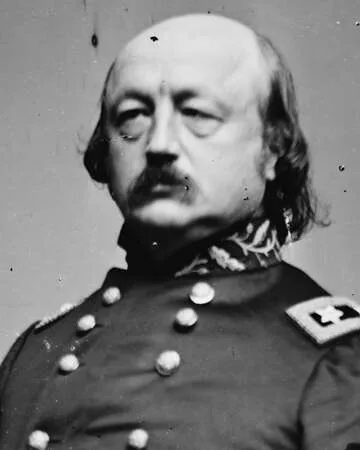
In May 1862, amid the turmoil of the American Civil War, Major General Benjamin Butler issued a provocative directive known as General Order No. 28. This order was a response to the growing tensions and confrontations between Union soldiers and local Confederate sympathizers in New Orleans. Butler, appointed as the military governor of the city after its capture, sought to impose order in a chaotic environment where hostility towards Union troops was rampant.
Butler's Justification for the Order
General Butler's main concern was the treatment of his soldiers by the local women, whom he labeled as the "ladies of New Orleans". The order stated that any woman found insulting or abusing Union soldiers would be treated as "prostitutes." This drastic measure aimed to reprimand those who disrespected the Union presence and to protect his men from psychological and verbal assaults. Butler believed this approach was necessary to uphold military discipline and deter further disrespect.
Immediate Impact on New Orleans Society
The issuance of General Order No. 28 had profound implications for the social fabric of New Orleans. As a direct result, many local women were subjected to humiliation and indignation. This order transformed the city's atmosphere, instilling fear in much of the population that opposed Union activities. It also escalated hostilities between Union forces and local citizens, leading to a deep-rooted resentment against Butler's authority.
The Backlash and Controversy Surrounding the Order
General Order No. 28 drew sharp criticism from various quarters, both locally and nationally. Many perceived the order as an insult not only to the women of New Orleans but also to the principles of conduct expected from military leaders. This backlash highlighted the contentious nature of occupation during the Civil War and contributed to the already fiery debates surrounding gender and morality in wartime.
The Response from the Public
The reaction to General Order No. 28 was swift and often angry. Local newspapers condemned Butler's actions, while many women were outraged at being publicly labeled in such a demeaning manner. This condemnation showcased the cultural clash between Northern and Southern sensibilities which was pervasive during the Civil War era. Supporters of the Confederacy used the order as propaganda to depict Union soldiers as brutal and disrespectful towards Southern honor.
The Long-term Effects of the Order
The repercussions of General Order No. 28 reverberated far beyond the immediate context of 1862. It set a precedent for how invading forces would handle civilian populations and behavior during warfare. This emphasis on discipline over compassion illustrated the harsh realities faced by soldiers and civilians alike in a conflict that fundamentally reshaped American society.
Fun Fact about General Order No. 28
The Order Inspired Resistance
Interestingly, the issuance of General Order No. 28 did not just provoke resentment; it also inspired acts of resistance among citizens of New Orleans. Many women and their families found ways to protest against Butler's administration, showcasing the resilience of the Southern spirit even in times of oppression.
Additional Resources
Recommended Reading on General Order No. 28
For those interested in a deeper exploration of the subject, consider reading “The Civil War: A Narrative” by Ken Burns and “The New Orleans Campaign” by John H. Eicher. These works provide valuable context and analyses of the complexities surrounding military governance during the Civil War.





 Continue with Google