


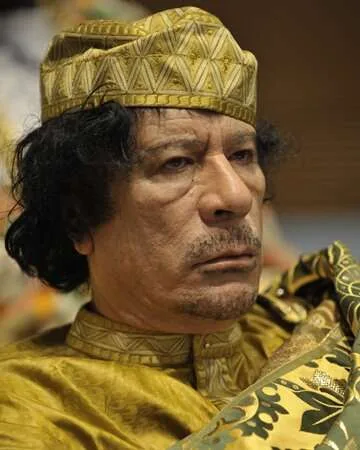
The Fall of Gaddafi: A Historic Moment for Libya
The 2011 Libyan Civil War marked a significant chapter in the history of Libya, culminating in the overthrow of longstanding dictator, Muammar al-Gaddafi. After leading the country for over four decades, his regime came to an abrupt and violent end when the National Transitional Council (NTC) forces stormed the infamous Bab al-Azizia compound in Tripoli, which was known as Gaddafi's stronghold. The event not only signified the end of Gaddafi's rule but also the broader implications it had on the Arab Spring movement that swept through the Middle East and North Africa in 2011.
Muammar al-Gaddafi’s Long Reign
Muammar al-Gaddafi rose to power in Libya in 1969 after leading a military coup that ousted the then king, Idris I. He established a one-party state and ruled with an iron fist, controlling nearly every aspect of Libyan life. His rule was marked by widespread human rights abuses, suppression of dissent, and allegations of terrorism. However, he also promoted significant infrastructure development and education in Libya, creating a complex legacy that polarized opinions about him.
The Role of the National Transitional Council
The National Transitional Council (NTC) formed the backbone of the opposition against Gaddafi during the civil war. Comprising a mix of political activists, former officials, and civilians, the NTC led protests and military operations against Gaddafi's regime. Gaining international recognition and support, including NATO airstrikes, the council played a pivotal role in orchestrating the campaign that ultimately led to Gaddafi's downfall.
The Implications of Gaddafi's Overthrow
The overthrow of Gaddafi in October 2011 not only transformed Libya but also resonated throughout the Arab world, influencing other uprisings and movements. Many viewed his downfall as a triumph of the people's will, yet the aftermath saw instability, chaos, and violent conflicts emerging in Libya.
A Power Vacuum in Libya
With Gaddafi's departure, Libya found itself in a state of disarray, with various factions vying for power and control. The absence of a unifying figure led to warlordism and sectarian violence, weakened governmental structures, and economic turmoil as the country struggled to build a stable post-Gaddafi state.
International Ramifications and Controversies
The international response following Gaddafi’s ousting was mixed. While many celebrated the end of a tyrant, concerns grew regarding the humanitarian crises and the emergence of extremist groups in the power vacuum. The role of NATO and foreign intervention in Libya sparked debates on the ethics and consequences of external involvement in sovereign nations.
Fun Fact
Gaddafi’s Unique Leadership Style
Muammar al-Gaddafi was known for his eccentric style of leadership, often dressing in colorful robes and making grandiose speeches. He founded the Green Book, which he claimed outlined his philosophy of governance, blending socialism, nationalism, and Islam.
Additional Resources
Recommended Reading on Muammar al-Gaddafi
For those interested in learning more about Muammar al-Gaddafi and his impact on Libya, consider reading "Gaddafi: The Last African Revolutionary" by Fahad A. Bishara or "The Assassination of Gaddafi: The Secret History of the Libyan Revolution" by Richard H. Immerman. These works provide deeper insights into his life, leadership, and the events surrounding his overthrow.











 Continue with Google