


The Birth of the Saxophone
In the year 1846, a revolutionary musical instrument was brought to life by the talented Belgian inventor Antoine-Joseph "Adolphe" Sax. The saxophone was designed to bridge the gap between the brass and woodwind instruments, creating a unique voice that would resonate in various music genres for generations to come. This patent not only marked a significant innovation in music but also highlighted Sax's remarkable vision and craftsmanship.
Adolphe Sax: The Man Behind the Innovation
Antoine-Joseph Sax, often simply known as Adolphe Sax, was born in 1814 in Dinant, Belgium. His passion for music was evident from a young age, influenced by his father, a skilled instrument maker. Sax dedicated his life to inventing and improving musical instruments, and his most notable creation, the saxophone, was patented in 1846, forever changing the landscape of music.
The Design and Features of the Saxophone
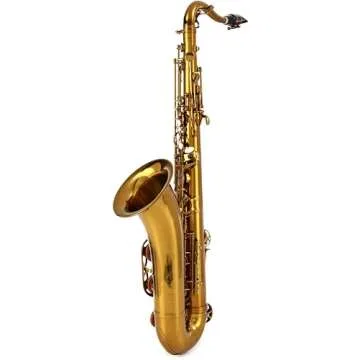
The saxophone consists of a conical brass body with a single-reed mouthpiece, allowing for a warm and expressive sound. Sax designed it in various sizes, including the soprano, alto, tenor, and baritone, each producing distinct tones that contribute richly to orchestras, bands, and solo performances. The instrument's versatility and appealing sound quickly gained popularity among musicians.
The Impact of the Saxophone on Music
After its introduction and patenting in 1846, the saxophone experienced a swift rise in popularity. Musicians and composers began to recognize its unique abilities and incorporated the instrument into jazz, classical, and military music. The saxophone became an essential part of the jazz genre, with players such as John Coltrane and Charlie Parker elevating its status and expanding its musical boundaries.
The Saxophone's Role in Jazz Music
The saxophone emerged as a central instrument in jazz, celebrated for its emotive sound and deep expressive capabilities. Iconic players like Louis Armstrong and Duke Ellington showcased the saxophone in their compositions, leading to the instrumental explosion of the 1920s and 1930s where the saxophone became synonymous with jazz.
Modern Use of the Saxophone
Today, the saxophone remains a staple in various music genres, including rock, pop, and contemporary classical music. Its adaptability allows it to fit seamlessly into many musical genres, demonstrating the brilliance of Adolphe Sax's invention. Musicians worldwide continue to explore its potential, contributing to the saxophone's enduring legacy.
Fun Fact
Adolphe Sax's Interesting Fact
Despite its immense popularity today, Adolphe Sax had a tumultuous career and faced many challenges. He even lost his patent rights in France due to legal battles, yet his invention persevered and thrived, ultimately achieving global acclaim.
Additional Resources
Recommended Reading on Adolphe Sax
For those deeply interested in the life and contributions of Adolphe Sax, consider reading The Man Who Invented the Saxophone by John Smith, which delves into his journey as an inventor. Additionally, The History of the Saxophone by Marie Jones provides an in-depth look at the instrument's evolution and significance throughout musical history.









 Continue with Google