


What Happened at the Ibero-American Summit?
The Context of the Incident
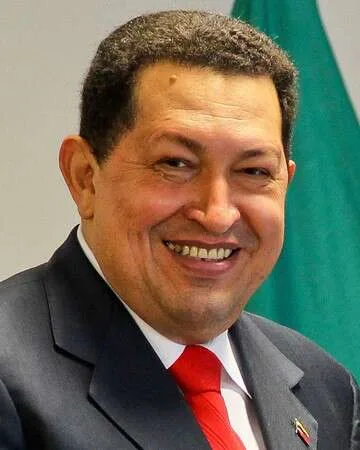
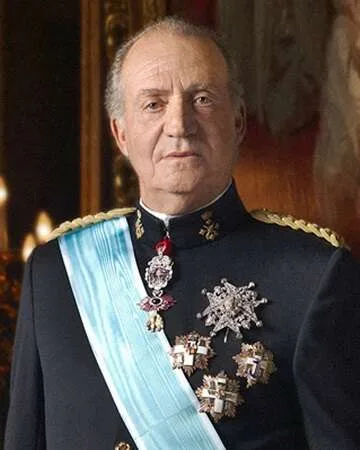
On November 10, 2007, during the Ibero-American Summit held in Santiago, Chile, a notable diplomatic incident took place between Spanish King Juan Carlos I and Venezuelan President Hugo Chávez. This summit gathered heads of state from Latin America and Spain, aiming to strengthen ties among nations. However, tensions emerged when Chávez, known for his outspoken and controversial remarks, disrupted the Spanish Prime Minister José Luis Rodríguez Zapatero while he was addressing the summit.
The Memorable Outburst
As Chávez interjected with criticisms regarding Spain’s historical colonialism and involvement in Latin America, King Juan Carlos I couldn’t suppress his frustration. In a moment that would be captured on cameras worldwide, the King turned to Chávez and said, "¿Por qué no te callas?" which translates to "Why don’t you shut up?" This phrase not only summarized the King’s annoyance but also became an iconic expression of diplomatic discontent.
The Aftermath of the Incident
The Global Reaction
The incident received immense media coverage, sparking debates about diplomatic decorum and the appropriateness of public confrontations among world leaders. The phrase "¿Por qué no te callas?" turned into a viral sensation, leading to memes, merchandise, and discussions across social media platforms, highlighting how a single moment could captivate public attention.
Legacy of the Outburst
In the years following the incident, the phrase became emblematic of the strained relations between Spain and Venezuela, reflecting not only a clash of personalities but also differing political ideologies. This moment is often remembered as a significant turning point in diplomatic interactions, illustrating how personal grievances can escalate in high-stakes environments.
Fun Fact
The Popularization of a Phrase
The King’s retort not only became a part of popular culture but also served as an inspiration for various artistic representations, including songs, parodies, and television references, showing how political moments can transcend beyond their original context and live on in society’s collective memory.
Additional Resources
Recommended Reading on the Ibero-American Relations
For those interested in exploring the complexities of Ibero-American relations and the impact of leaders like Hugo Chávez and Juan Carlos I, consider reading The Latin American Debt Crisis: A Social Perspective or Venezuela's Political Landscape: Past and Present to gain deeper insights into the historical and political contexts surrounding these figures.








 Continue with Google