


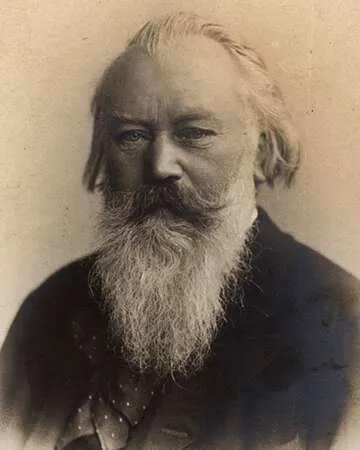
The Historic Premiere of Brahms' Violin Concerto
Johannes Brahms and His Magnificent Creation
On January 1, 1879, the world was introduced to a masterpiece that would resonate through generations: Johannes Brahms' Violin Concerto in D Major. This concerto, a pinnacle of the violin repertoire, was first performed in Leipzig with famed violinist Joseph Joachim as the soloist. Commissioned by Joachim himself, Brahms poured his heart and soul into this work, reflecting his deep respect for the instrument and its virtuosic capabilities.
The Role of Joseph Joachim
Joseph Joachim, a close friend and advocate of Brahms, played a pivotal role in the concerto's inception. His influence not only guided Brahms towards the concert’s technical demands but also its emotional depth. The collaboration between Brahms and Joachim emphasized the rich dialogue between the soloist and the orchestra, setting a benchmark for violin concertos to follow.
Musical Themes and Structure
The Exquisite Themes of Brahms' Violin Concerto
One cannot discuss Brahms' Violin Concerto without mentioning its stunning themes. The concerto features three movements: the spirited Allegro moderato, the lyrical Adagio, and the lively Allegro giusto. Each movement showcases Brahms' ability to blend intricate melodies with robust orchestral textures, while allowing the violin to shine as a lead voice.
The Impact of Brahms' Violin Concerto
Upon its premiere, the Violin Concerto received critical acclaim and quickly became a staple in violinists' repertoires. Its profound emotional resonance and technical challenges ensure that it remains a favorite in concert halls worldwide. The concerto not only solidified Brahms' place as a leading composer of his time but also elevated the perception of the violin in classical music.
Fun Fact
Brahms' Passion for Folklore
Interestingly, Brahms incorporated elements of Hungarian folk music into the final movement of his concerto, showcasing his love for the vibrant folk traditions and inspiring audiences with a familiar yet innovative sound.
Additional Resources
Recommended Reading on Brahms
For those interested in delving deeper into the world of Johannes Brahms and his works, consider reading Brahms: A Biography by Jan Swafford and The Life of Johannes Brahms by Harold C. Schonberg. These texts offer insightful perspectives on his artistic journey and the contexts in which his music was composed.






 Continue with Google