



The Groundbreaking Release of Exorcist III
The year 1990 marked a significant moment in horror cinema with the premiere of Exorcist III. Written and directed by William Peter Blatty, this film served as a sequel to the iconic Exorcist (1973) and diverged from the traditional horror tropes known in the genre. Transitioning away from the original possession narrative, Exorcist III explored deeper themes of good versus evil, sanity, and the supernatural in a gripping and intricate storyline.
Upon its release, the film garnered critical acclaim for its sophisticated storytelling and eerie atmosphere. It was praised for striking performances, particularly from George C. Scott, who played Lt. Kinderman, the protagonist investigating a series of gruesome murders linked to the original exorcism story. With its combination of psychological thrills and supernatural elements, Exorcist III became a noteworthy film in the horror genre.
The Vision of William Peter Blatty
William Peter Blatty, renowned for his work on the original Exorcist, returned to the director's chair after his prior experience writing the screenplay. He infused Exorcist III with not just elements of horror, but also philosophical undertones and moral questions, elevating it from a mere slasher to a sophisticated narrative. His artistic vision shaped the film's eerie tone, effectively crafting suspense throughout the audience's experience.
The Narrative Depth of Exorcist III
What makes Exorcist III stand out is its psychological depth. The film presents themes such as the nature of evil, the loss of faith, and the impact of trauma. Through the character of Lt. Kinderman, audiences delve into a haunting investigation that intertwines with elements from the first film, creating a richer narrative that many fans appreciate.
Critical Reception and Legacy of Exorcist III
Upon its premiere, Exorcist III received varied responses but ultimately cultivated a dedicated following. Despite mixed critical views, many horror enthusiasts recognized its excellence in crafting suspense. Over the years, the film's reputation has grown, being reevaluated as a classic within the genre, appreciated particularly for its chilling sequences and exceptional cinematography.
The Chilling Sequences of Exorcist III
The memorable and frightening scenes, such as the hospital sequence that features a shocking jump scare, have solidified Exorcist III as a memorable film. It remains a topic of discussion among horror aficionados, often lauded for its ability to maintain suspense without overly relying on traditional jump scares.
The Lasting Impact of Exorcist III
Years after its initial release, Exorcist III still influences contemporary horror films with its stylistic approach to suspense and moral dilemmas. Its themes continue to resonate with new generations of audiences, proving that a well-crafted horror film can extend beyond its genre constraints.
Fun Fact
Exorcist III’s Interesting Fact
Interestingly, in Exorcist III, the infamous character of Father Karras makes an appearance, bridging the narrative between the original film and its sequel, which has kept fans of both films engaged and intrigued.
Additional Resources
Recommended Reading on Exorcist III
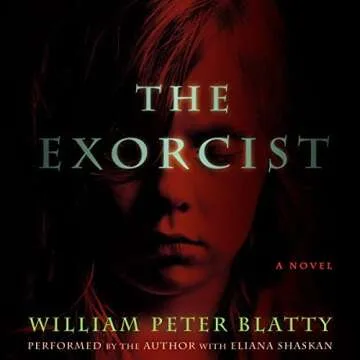
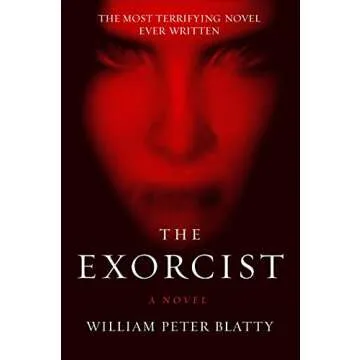
For those looking to further explore the themes and narratives within Exorcist III, consider reading "The Exorcist" by William Peter Blatty, which provides an understanding of the background of the story. Additionally, "The Exorcist: Studies in Film and Literature" offers insights into the analysis of the franchise and its cultural impact.










 Continue with Google